← Back to participations
01Participation2026

Objects of Memory

OOM

XTRA Studio × Tunez Magazine

Category
Participation
Year
2026
Format
Archive project
With
XTRA Studio
Objects of Memory poster, an archive project by XTRA Studio and Tunez Magazine

Objects of Memory is an encyclopedia of objects, images, people and stories that contribute to the cultural memory of Tunisia and North Africa.

The project

Objects of Memory is an encyclopedia of objects, images, people and stories that contribute to the cultural memory of Tunisia and North Africa.

That memory does not belong exclusively to the past. It is being created every day.

Case Study 01

Irfan

Tunisia's first children's magazine
Founded
1966
Founder
Abdelhamid Ksentini
Format
Monthly print magazine
Slogan
The magazine for children everywhere
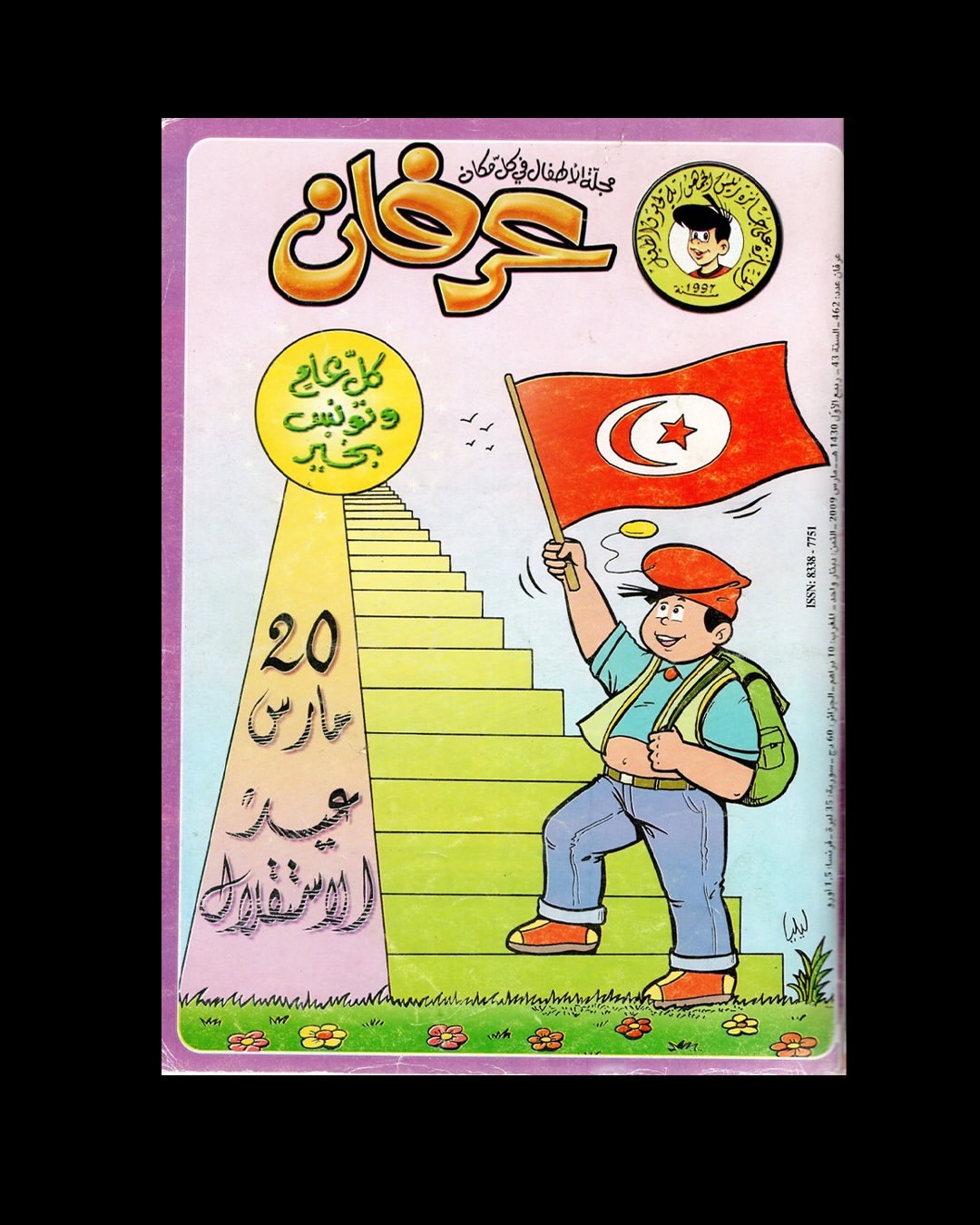
Irfan cover celebrating 20 March, Tunisia's independence day
Independence issue
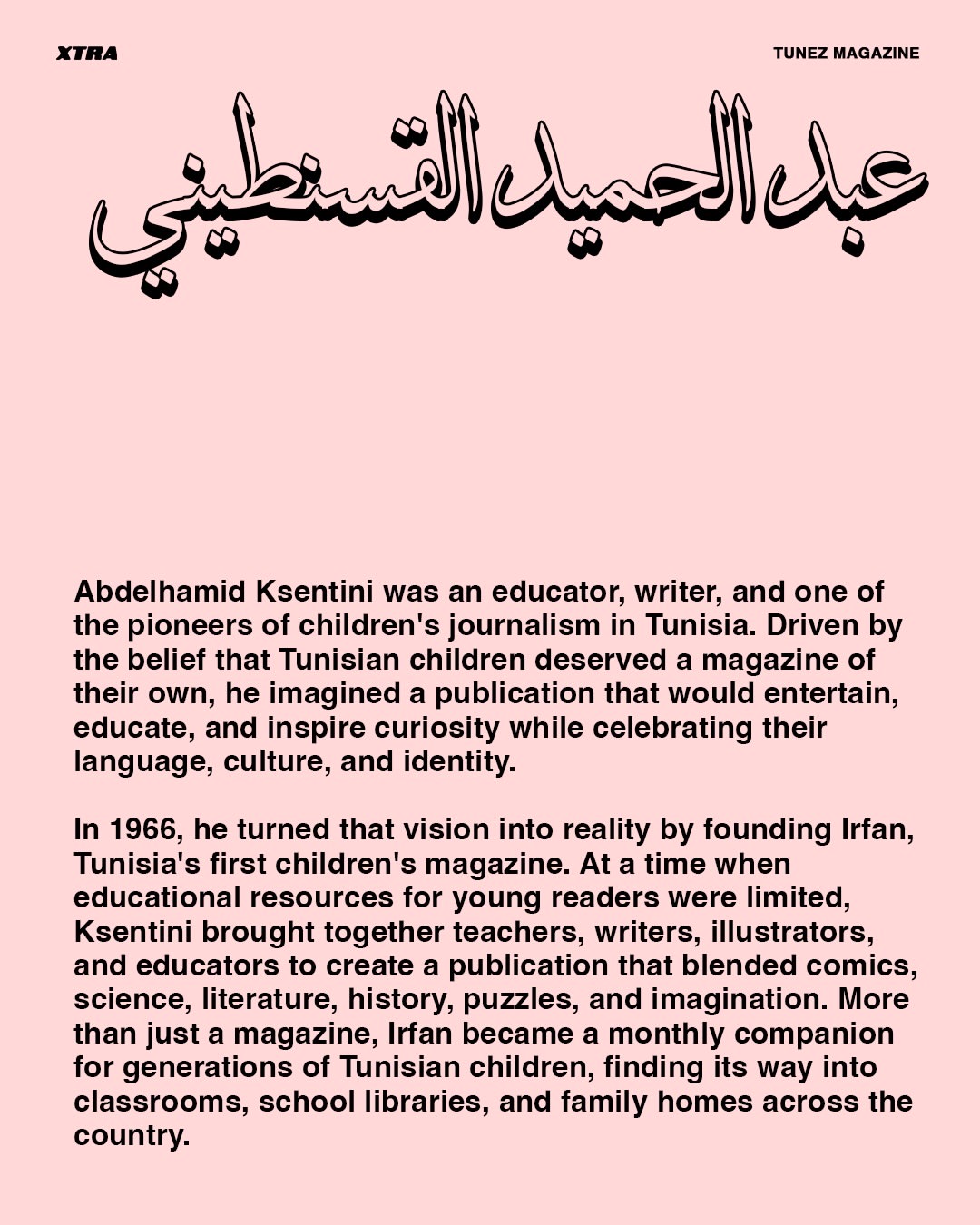
Editorial panel about Abdelhamid Ksentini, founder of Irfan
Abdelhamid Ksentini

Abdelhamid Ksentini

Abdelhamid Ksentini was an educator, writer, and one of the pioneers of children's journalism in Tunisia. Driven by the belief that Tunisian children deserved a magazine of their own, he imagined a publication that would entertain, educate, and inspire curiosity while celebrating their language, culture, and identity.

In 1966, he turned that vision into reality by founding Irfan, Tunisia's first children's magazine. At a time when educational resources for young readers were limited, Ksentini brought together teachers, writers, illustrators, and educators to create a publication that blended comics, science, literature, history, puzzles, and imagination. More than just a magazine, Irfan became a monthly companion for generations of Tunisian children, finding its way into classrooms, school libraries, and family homes across the country.

The first magazine they ever owned

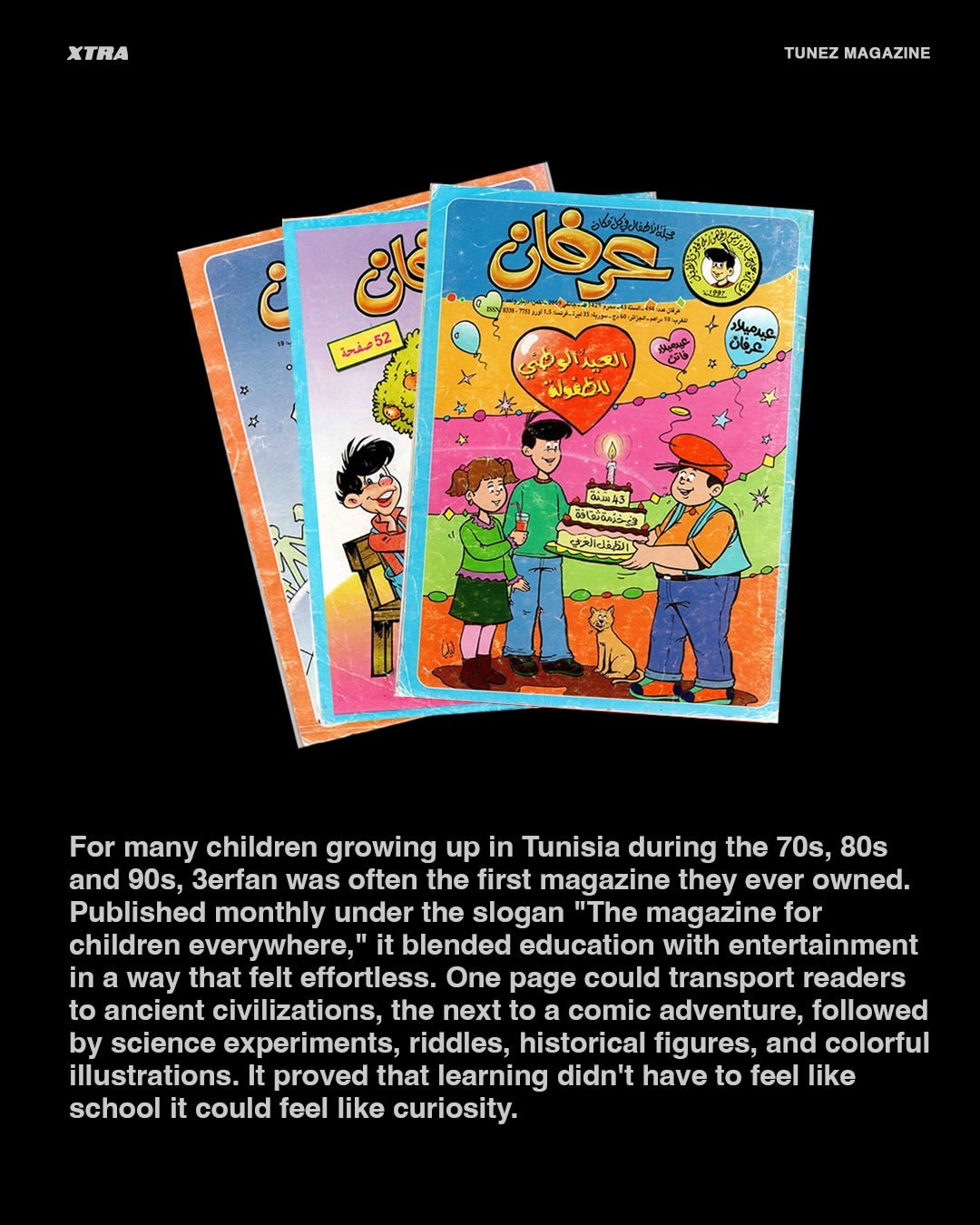
For many children growing up in Tunisia during the 70s, 80s and 90s, 3erfan was often the first magazine they ever owned. Published monthly under the slogan "The magazine for children everywhere," it blended education with entertainment in a way that felt effortless. One page could transport readers to ancient civilizations, the next to a comic adventure, followed by science experiments, riddles, historical figures, and colorful illustrations. It proved that learning didn't have to feel like school, it could feel like curiosity.

Tunisia's first creative playground

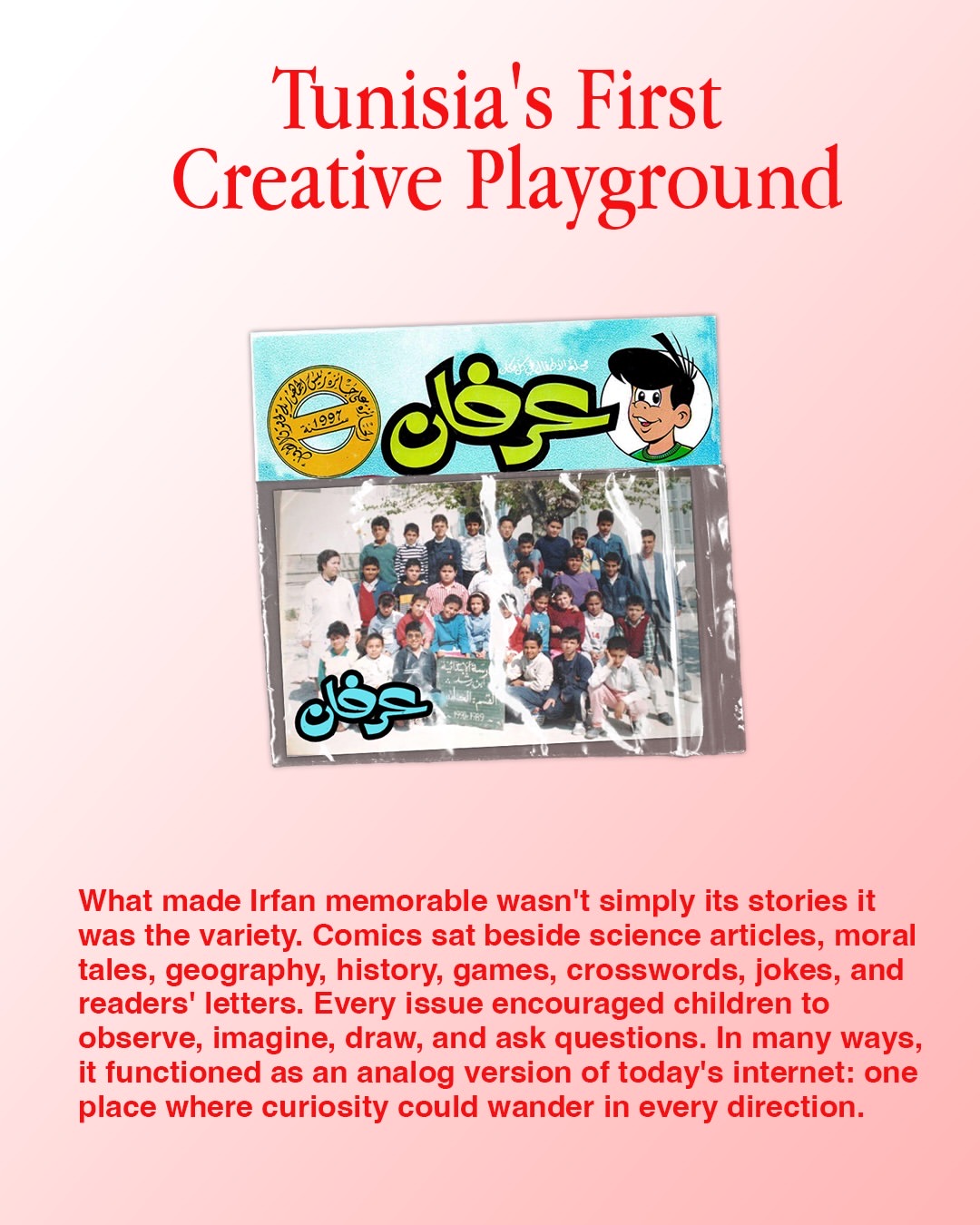
What made Irfan memorable wasn't simply its stories, it was the variety. Comics sat beside science articles, moral tales, geography, history, games, crosswords, jokes, and readers' letters. Every issue encouraged children to observe, imagine, draw, and ask questions. In many ways, it functioned as an analog version of today's internet: one place where curiosity could wander in every direction.

A legacy printed on paper

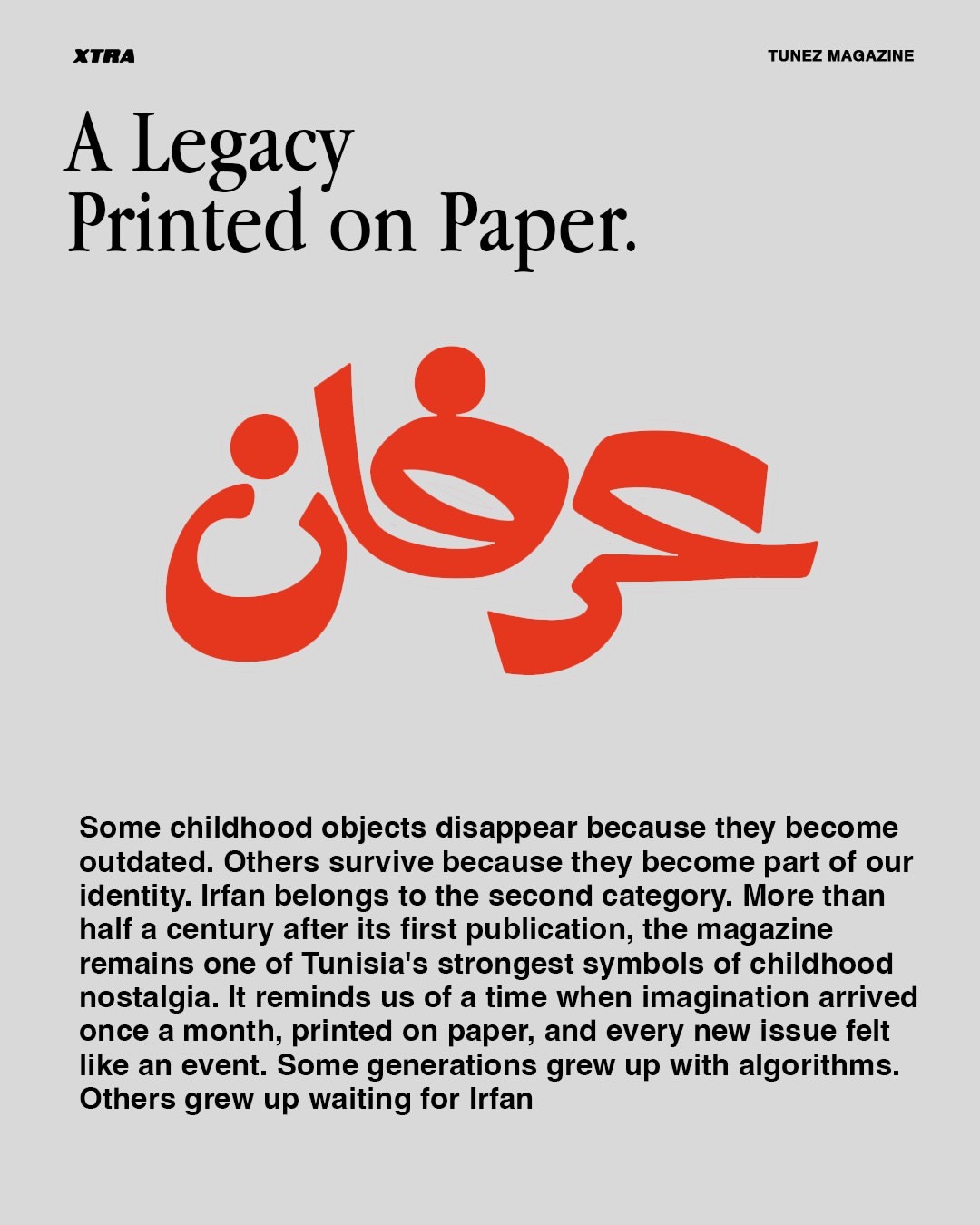
Some childhood objects disappear because they become outdated. Others survive because they become part of our identity. Irfan belongs to the second category. More than half a century after its first publication, the magazine remains one of Tunisia's strongest symbols of childhood nostalgia. It reminds us of a time when imagination arrived once a month, printed on paper, and every new issue felt like an event. Some generations grew up with algorithms. Others grew up waiting for Irfan.

Some generations grew up with algorithms. Others grew up waiting for Irfan.
From the archive
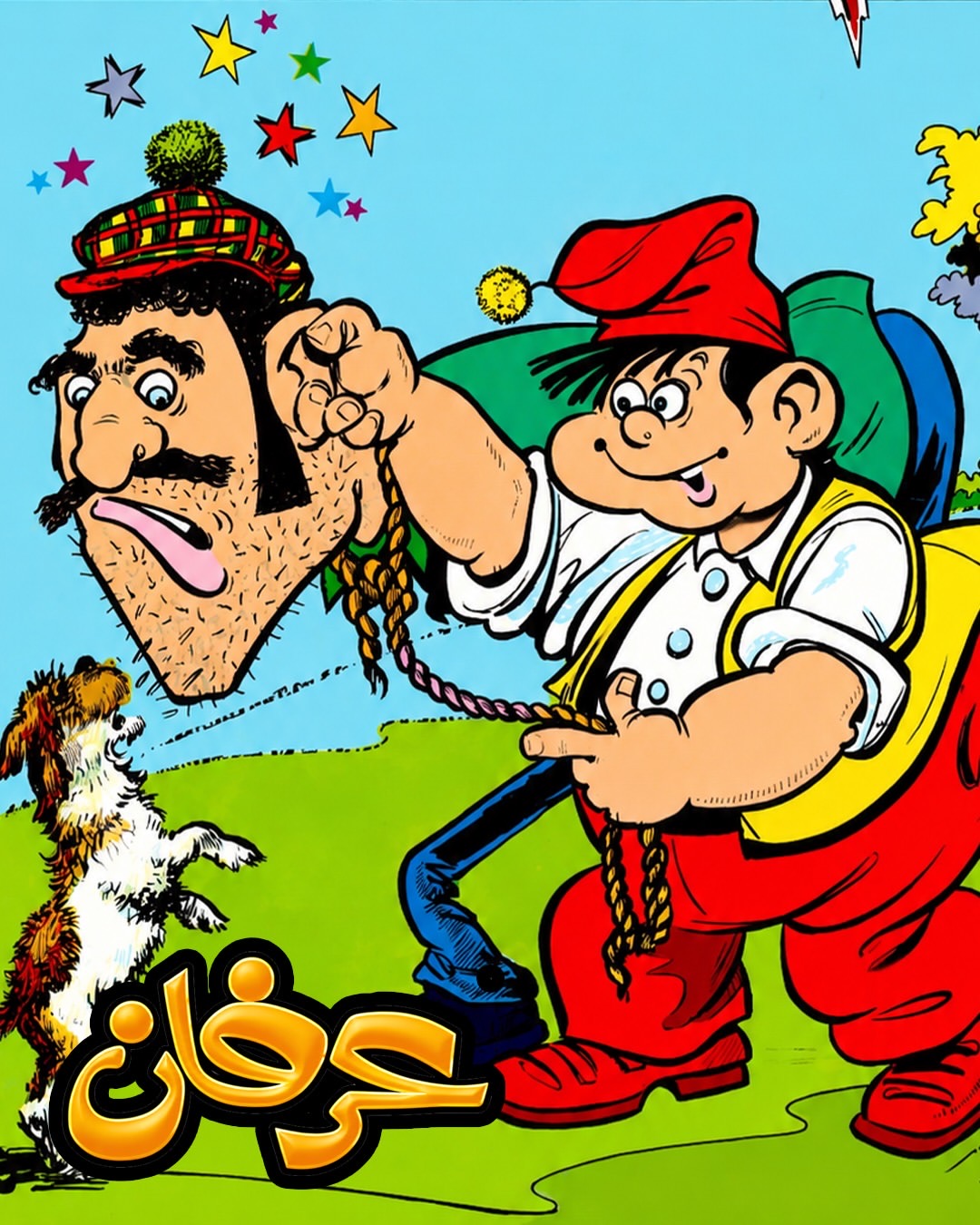
Irfan comic illustration of the character pulling a rope
Comic panel
Stack of vintage Irfan magazine issues
Monthly companion
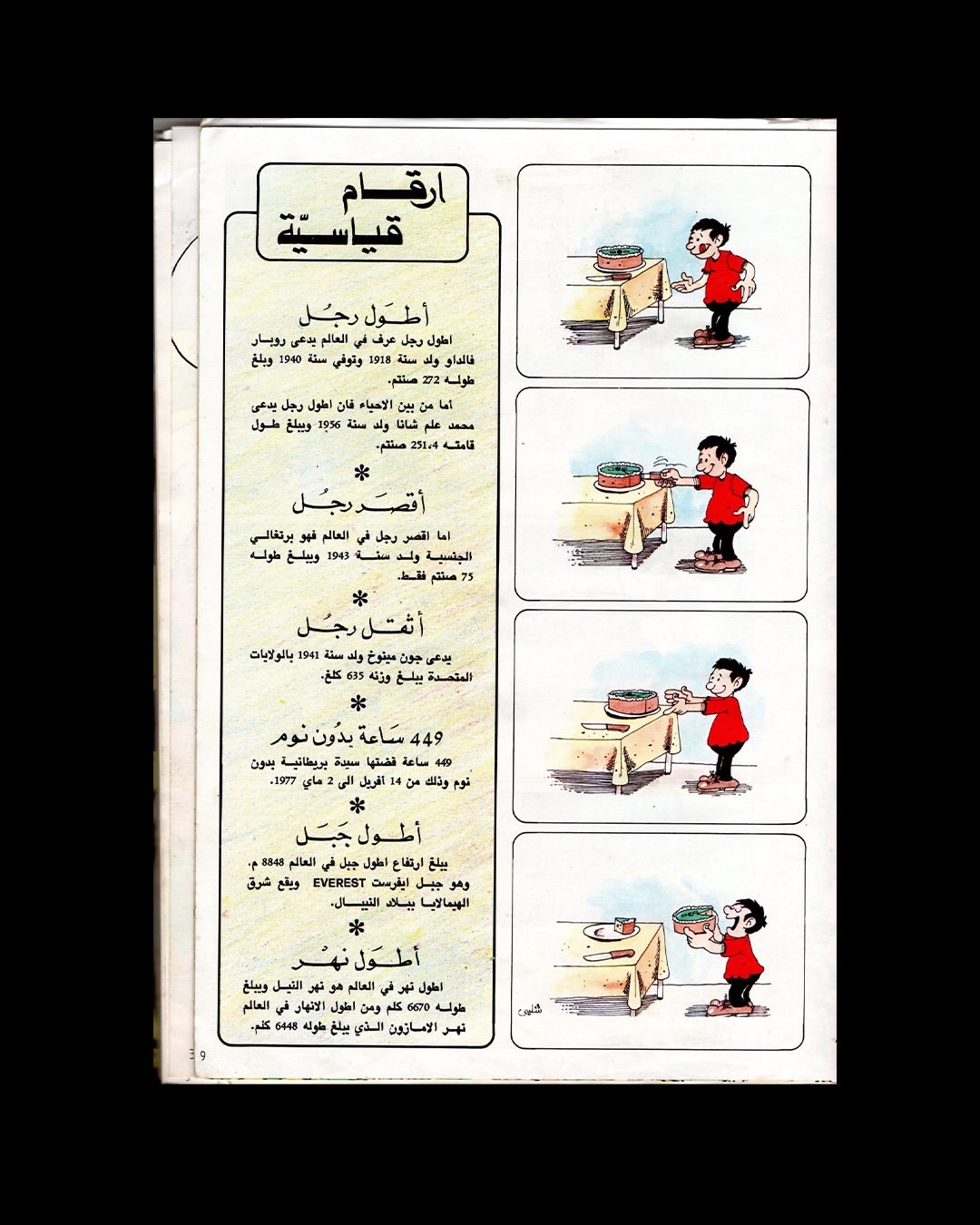
Interior page of Irfan with record numbers and illustrated strips
Interior spread
Editorial panel titled Tunisia's First Creative Playground with a school class photo
Creative playground
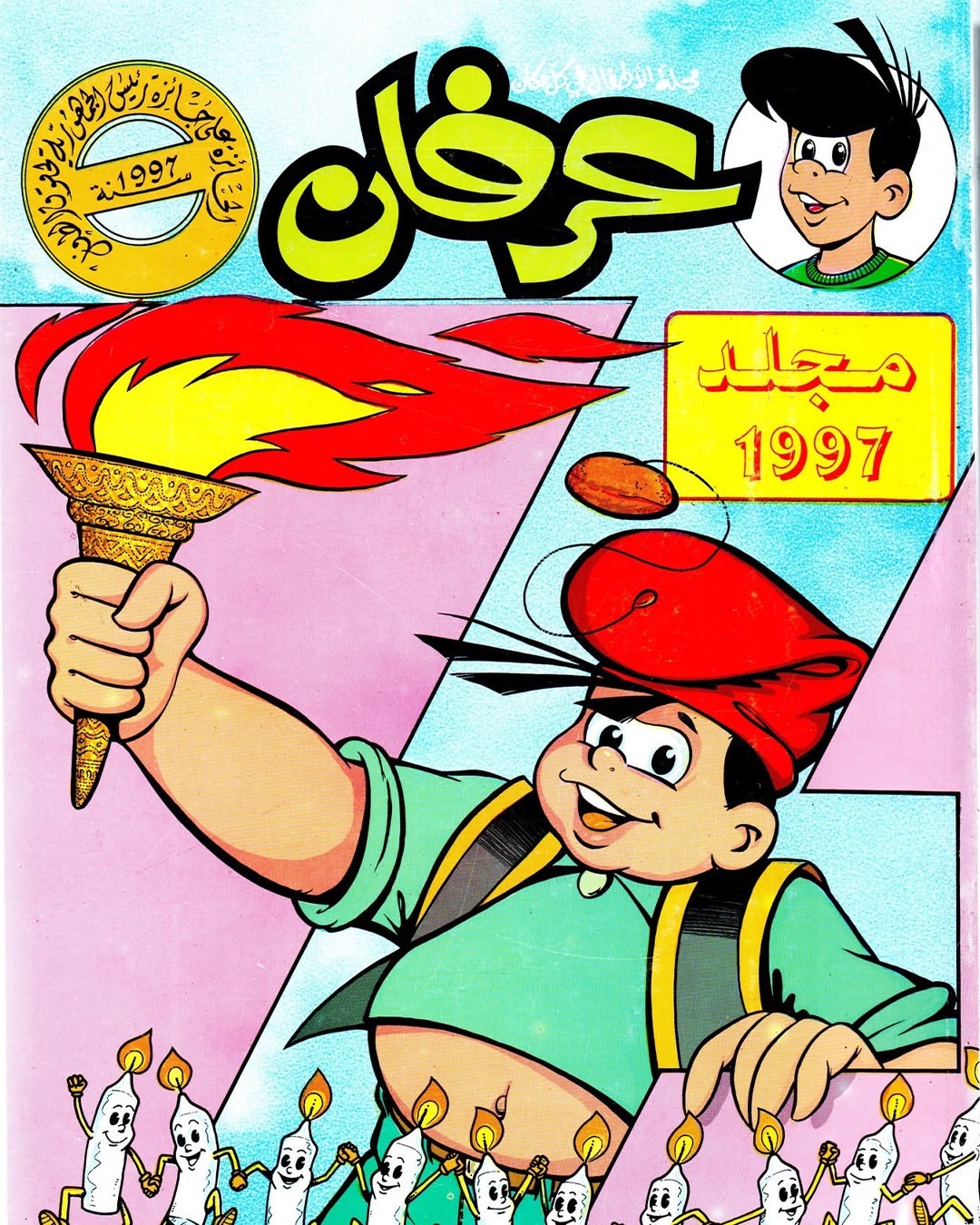
Irfan 1997 annual volume cover with torch illustration
1997 volume
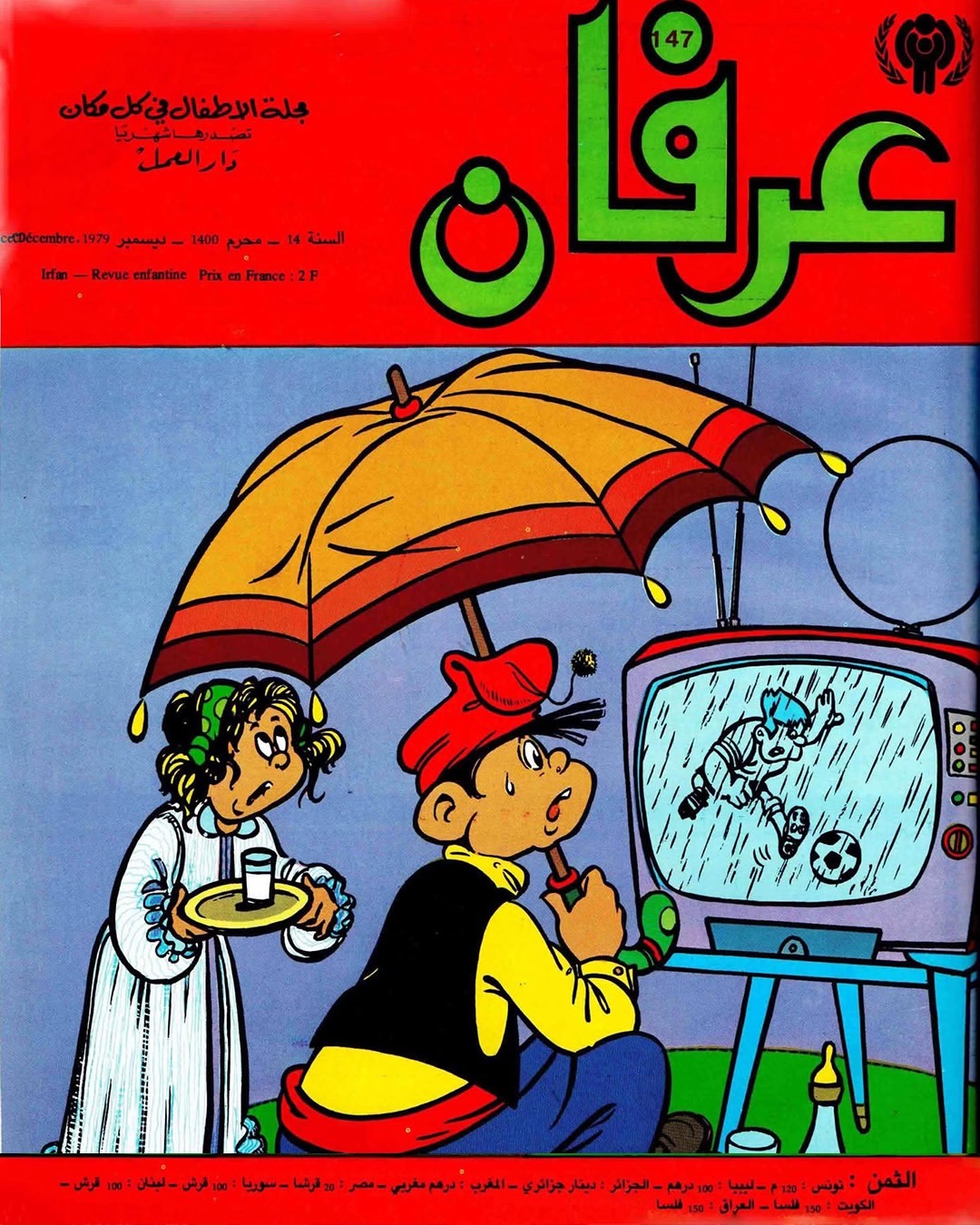
Irfan issue 147 cover from December 1979
N° 147, 1979
Editorial panel titled A Legacy Printed on Paper with the Irfan wordmark in red
Legacy on paper
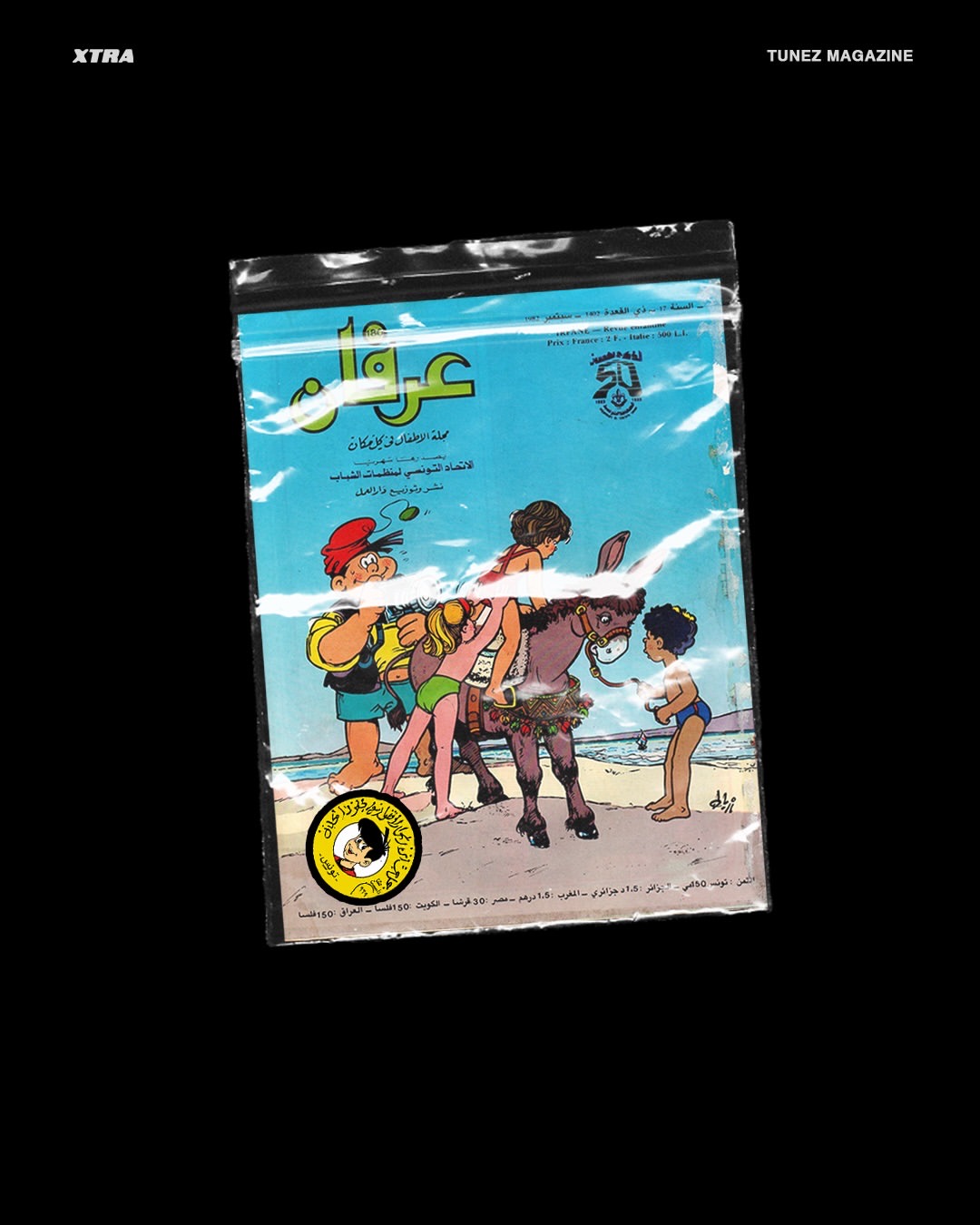
Sealed vintage Irfan issue with beach cover illustration
Archived issue
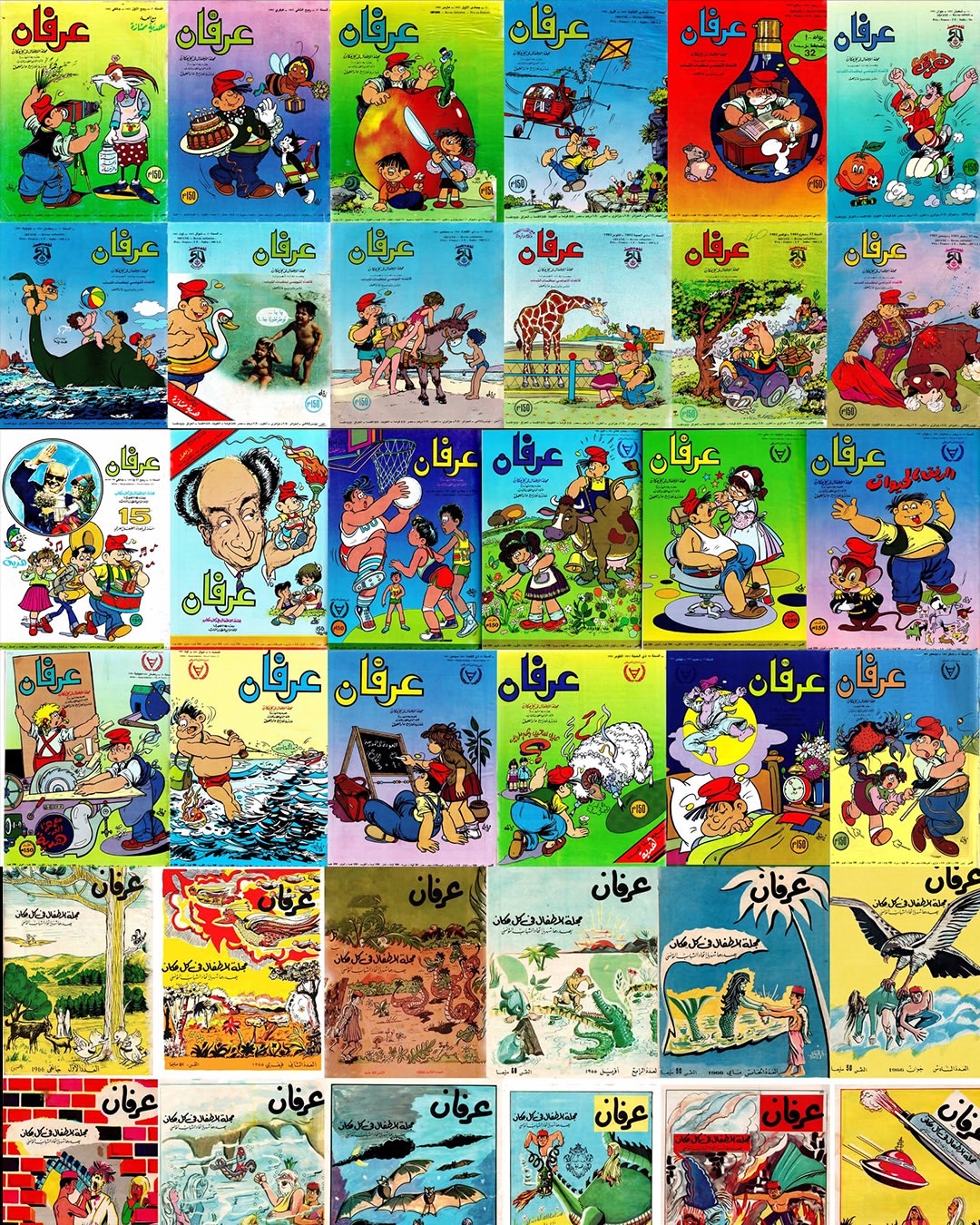
Grid of dozens of vintage Irfan magazine covers from the 1960s to the 1990s
Six decades of covers
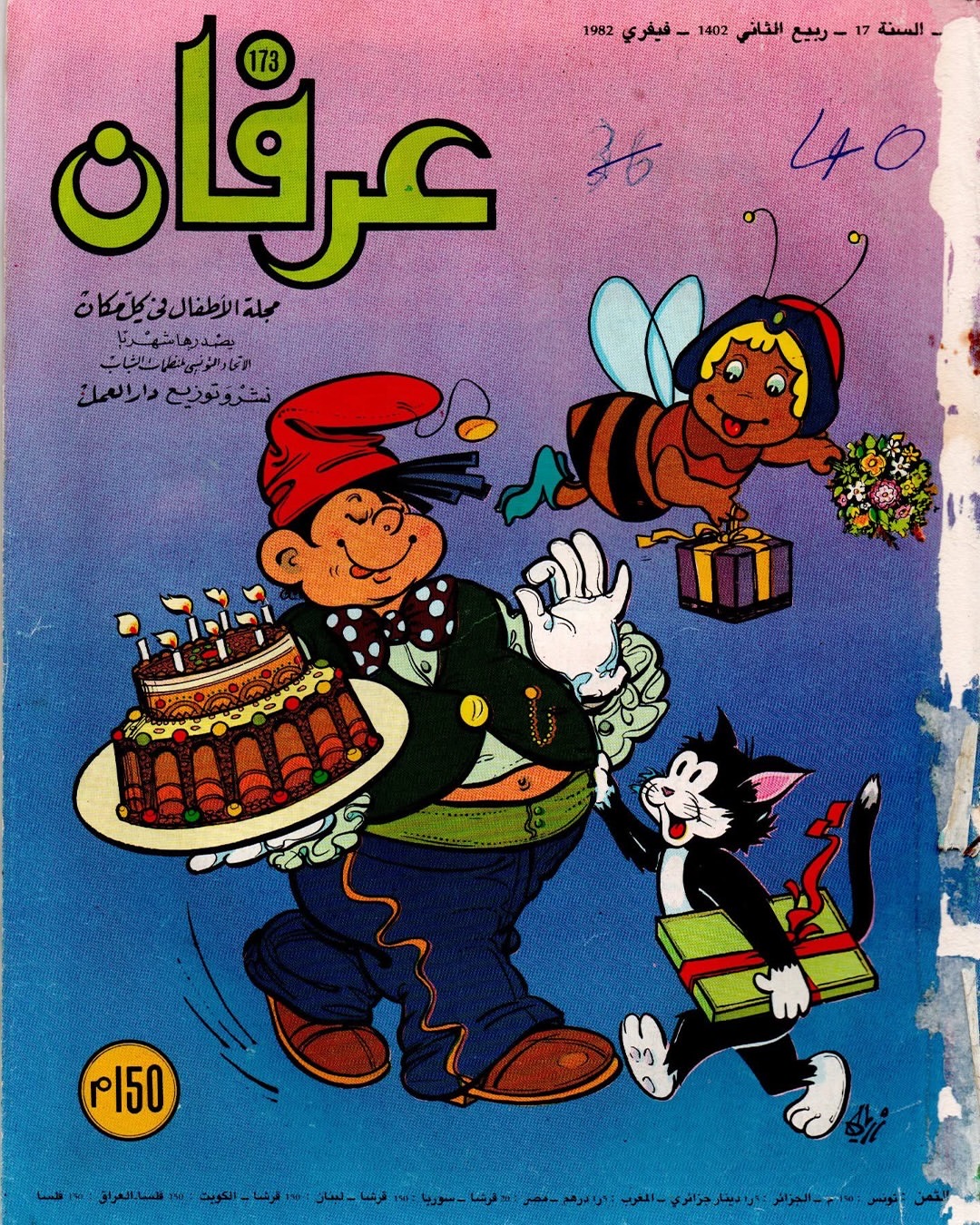
Irfan issue 173 cover from February 1982 with a birthday cake illustration
N° 173, 1982
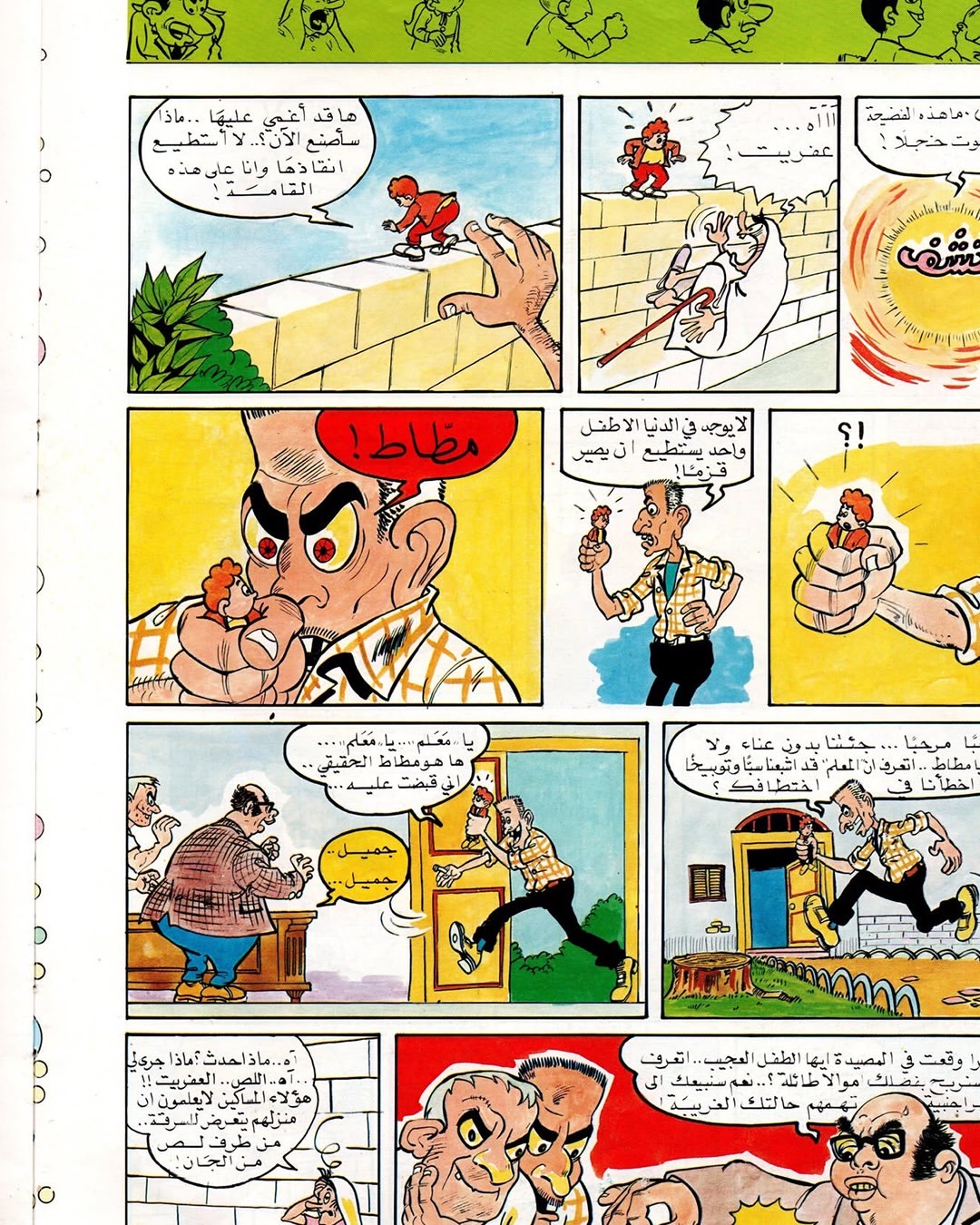
Interior comic page from Irfan with illustrated story panels
Comic spread
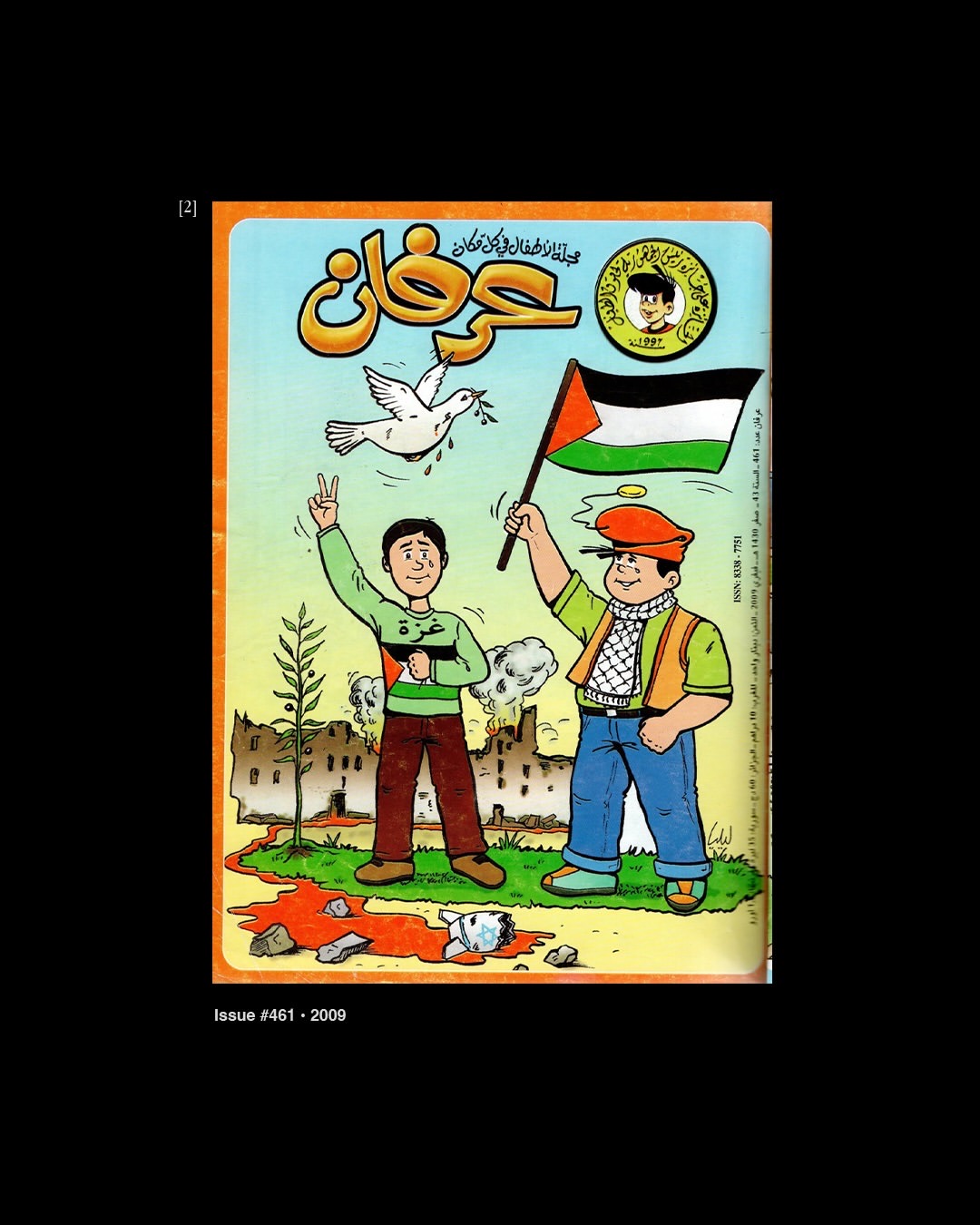
Irfan issue 461 cover from 2009 featuring two children and a dove
N° 461, 2009
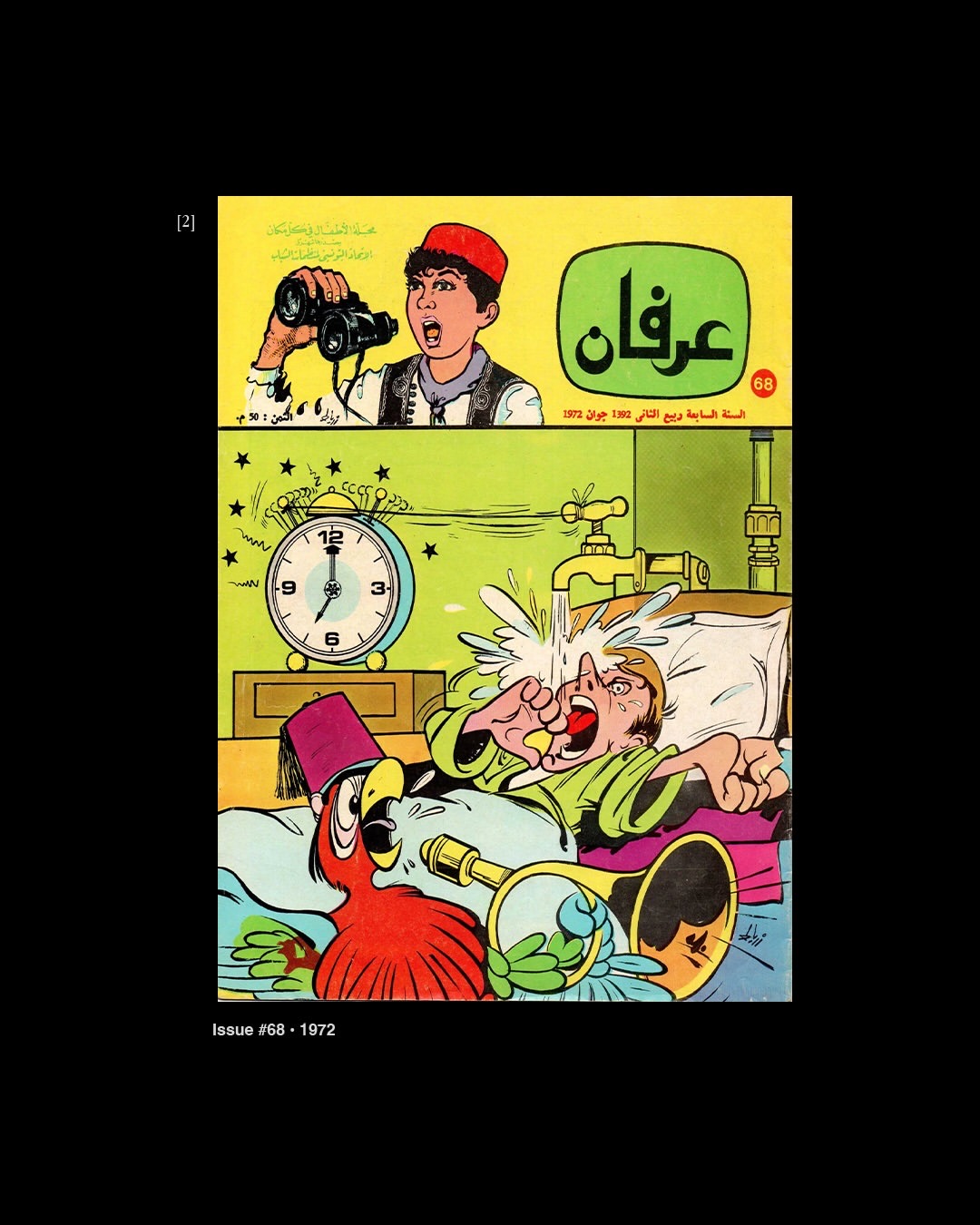
Irfan issue 68 cover from June 1972 with an alarm clock illustration
N° 68, 1972
Case Study 02

Hatem El Mekki

The artist who designed the Tunisian Dinar you carry everyday and hundreds of stamps, and a nation's visual memory

Discipline
Painting · Design · Engraving
Stamps
454 postage stamps
Also designed
Coins and banknotes
Signature
ELMEKKI
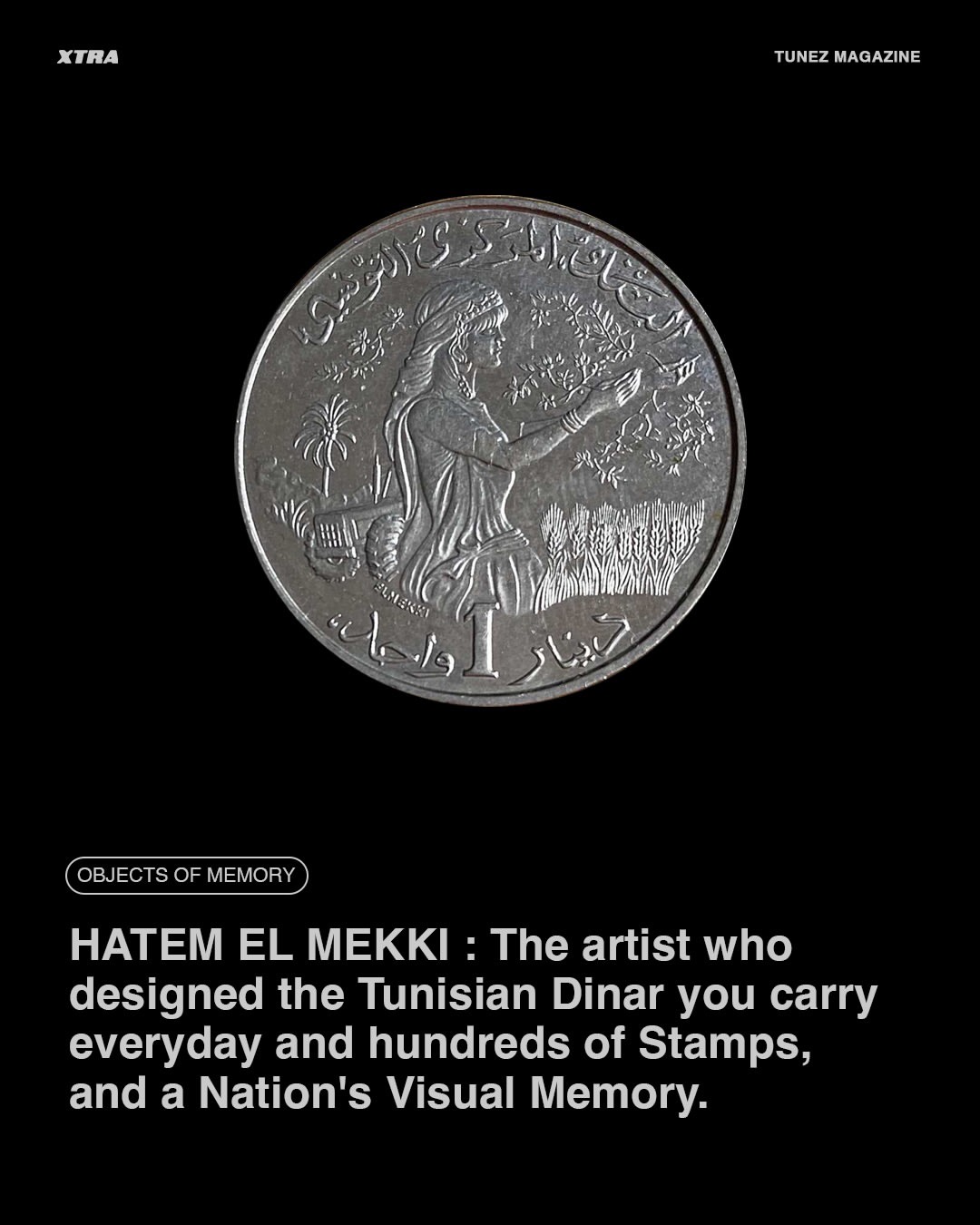
The Tunisian one dinar coin designed by Hatem El Mekki
One dinar
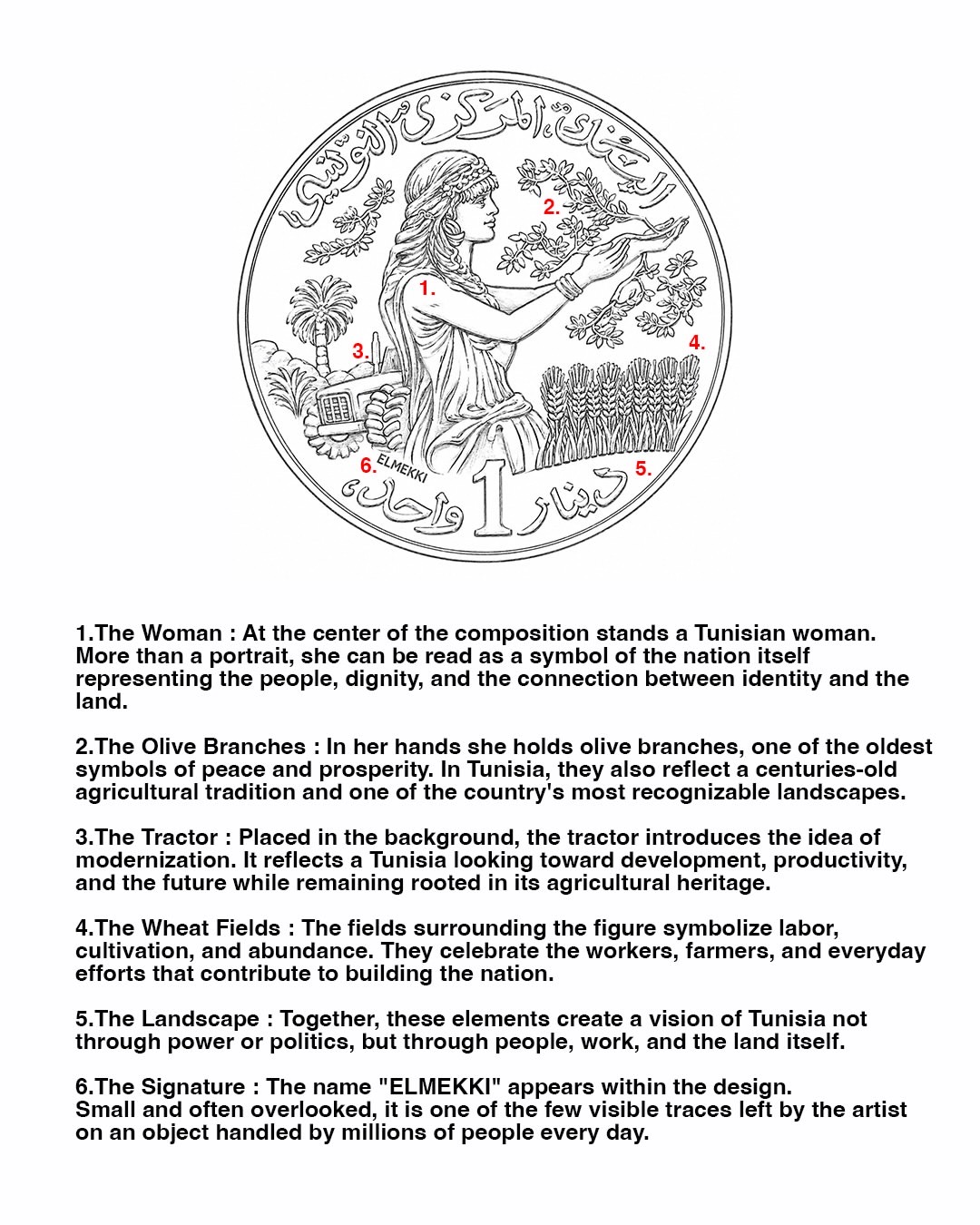
Annotated line drawing of the one dinar coin composition
Reading the coin

A name in every pocket

For decades, millions of people have carried Hatem El Mekki's work in their pockets without ever knowing his name. Yet his vision helped shape the visual identity of modern Tunisia through coins, stamps, illustrations, and cultural symbols that became part of everyday life.

This chapter of Objects of Memory explores the story behind the Tunisian dinar and the artist who designed it. Because heritage is not only found in museums. It also lives in the objects we touch, use, and pass from one generation to the next.

The visual architect of modern Tunisia

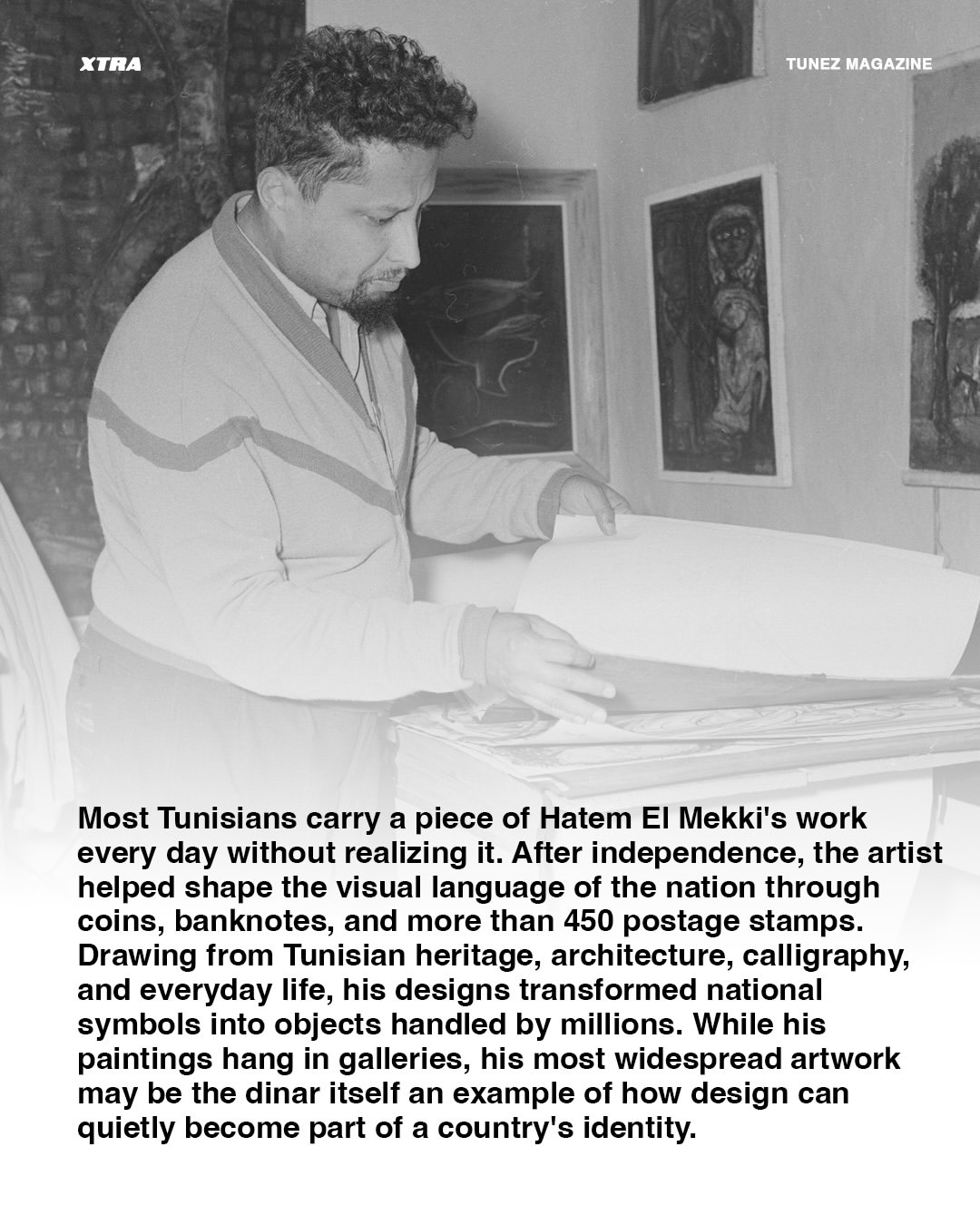
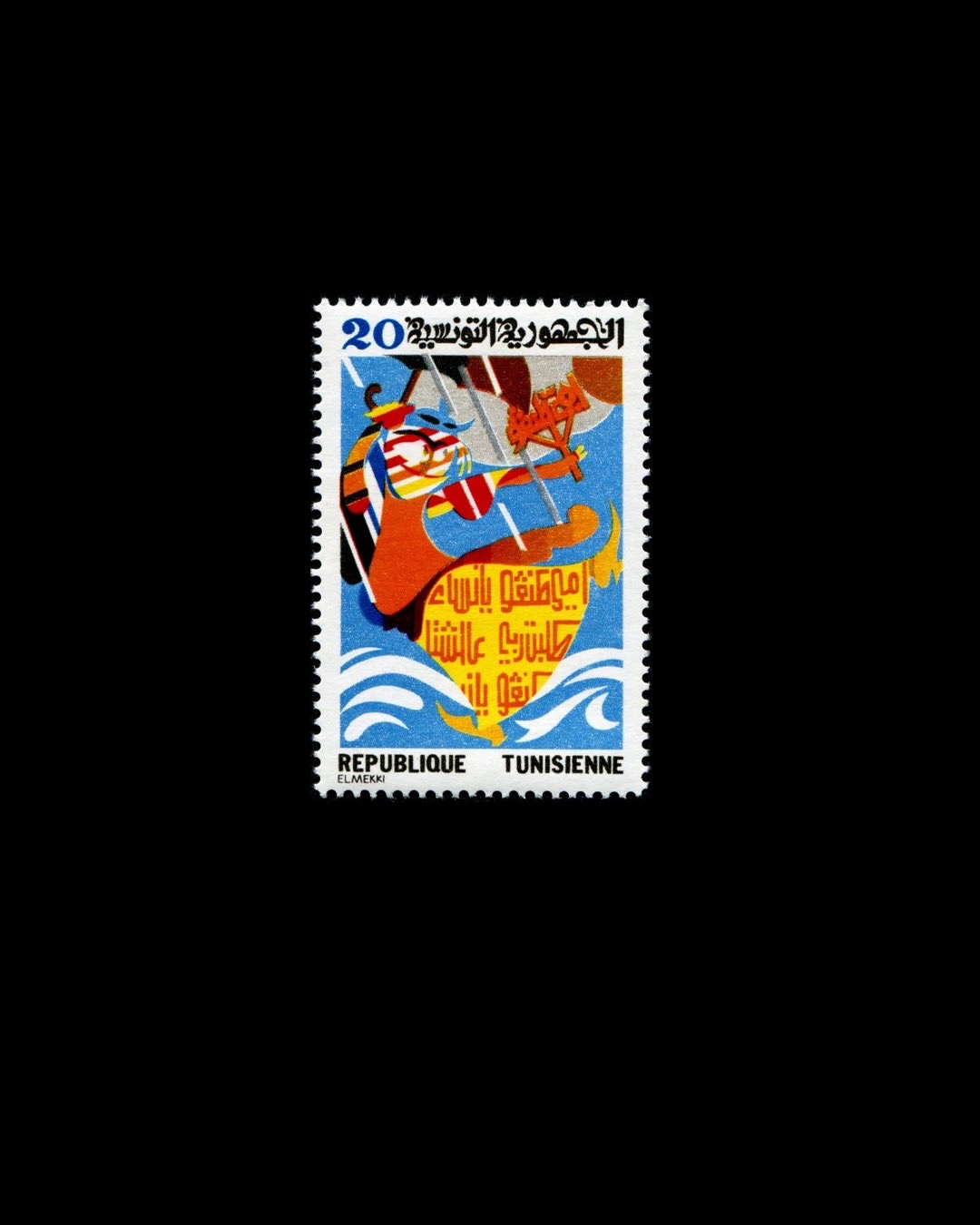
Most Tunisians carry a piece of Hatem El Mekki's work every day without realizing it. After independence, the artist helped shape the visual language of the nation through coins, banknotes, and more than 450 postage stamps. Drawing from Tunisian heritage, architecture, calligraphy, and everyday life, his designs transformed national symbols into objects handled by millions.

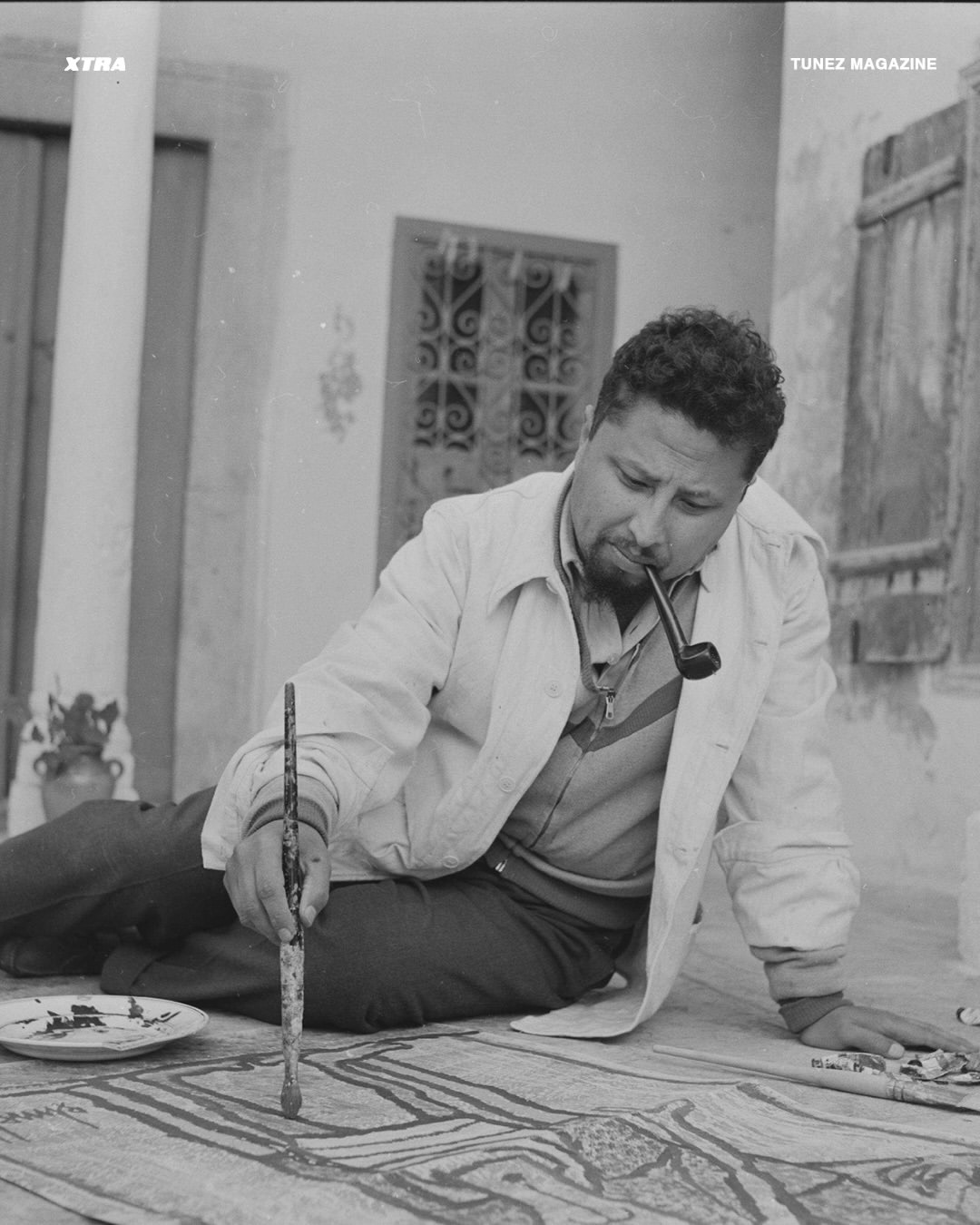
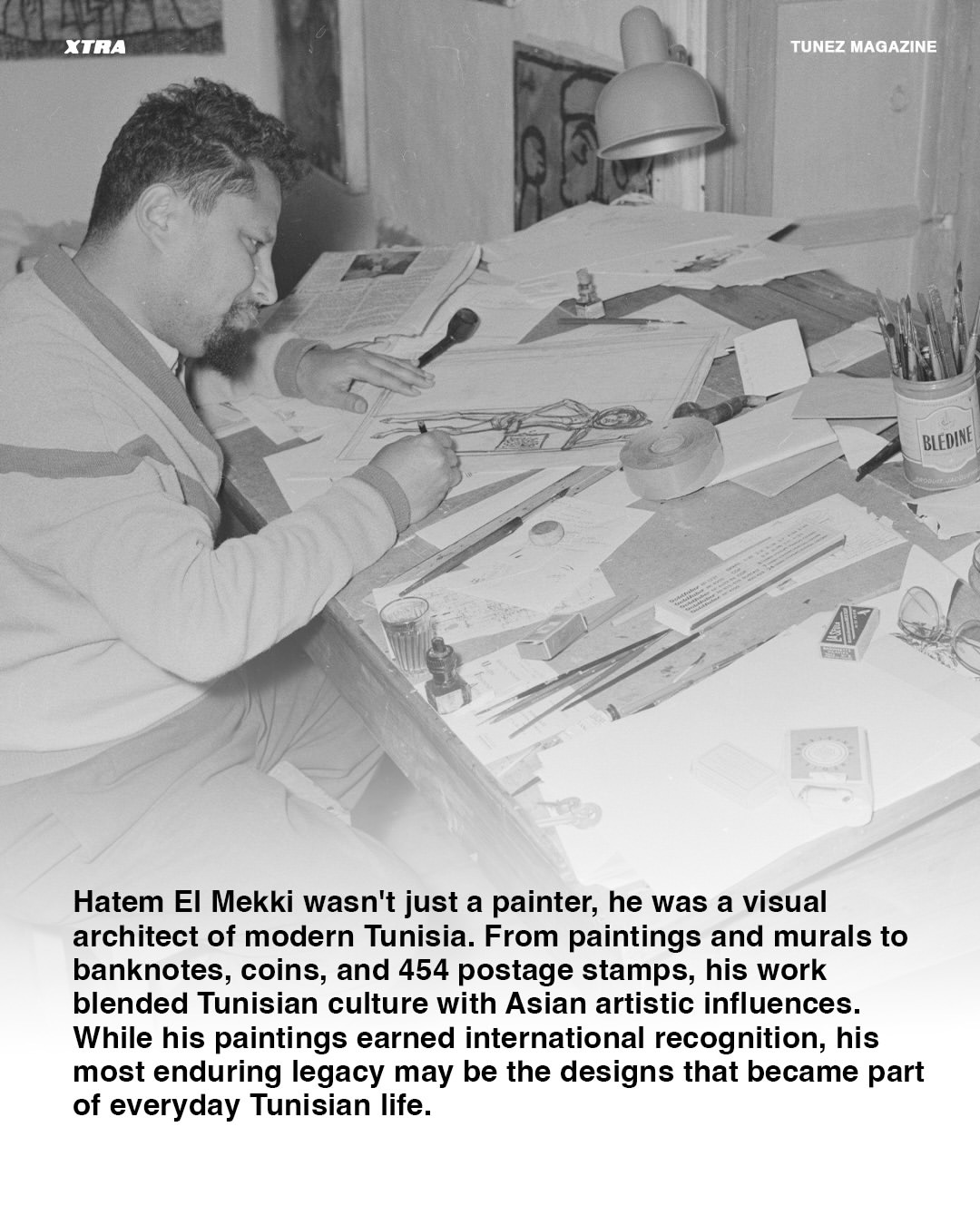
Hatem El Mekki wasn't just a painter, he was a visual architect of modern Tunisia. From paintings and murals to banknotes, coins, and 454 postage stamps, his work blended Tunisian culture with Asian artistic influences. While his paintings earned international recognition, his most enduring legacy may be the designs that became part of everyday Tunisian life.

Reading the one dinar coin

1. The Woman : At the center of the composition stands a Tunisian woman. More than a portrait, she can be read as a symbol of the nation itself representing the people, dignity, and the connection between identity and the land.

2. The Olive Branches : In her hands she holds olive branches, one of the oldest symbols of peace and prosperity. In Tunisia, they also reflect a centuries-old agricultural tradition and one of the country's most recognizable landscapes.

3. The Tractor : Placed in the background, the tractor introduces the idea of modernization. It reflects a Tunisia looking toward development, productivity, and the future while remaining rooted in its agricultural heritage.

4. The Wheat Fields : The fields surrounding the figure symbolize labor, cultivation, and abundance. They celebrate the workers, farmers, and everyday efforts that contribute to building the nation.

5. The Landscape : Together, these elements create a vision of Tunisia not through power or politics, but through people, work, and the land itself.

6. The Signature : The name "ELMEKKI" appears within the design. Small and often overlooked, it is one of the few visible traces left by the artist on an object handled by millions of people every day.

Credits

OOM, an archive project by XTRA Studio and Tunez Magazine. Research and notes by Nyzar Trabelsi. Curation and archive research with Hedy Ben Hmida.

His most widespread artwork may be the dinar itself, an example of how design can quietly become part of a country's identity.

From the archive
Hatem El Mekki handling prints in his studio
In the studio
Hatem El Mekki painting on the floor of a Tunisian courtyard
At work
Hatem El Mekki drawing a stamp design at his desk
Designing a stamp
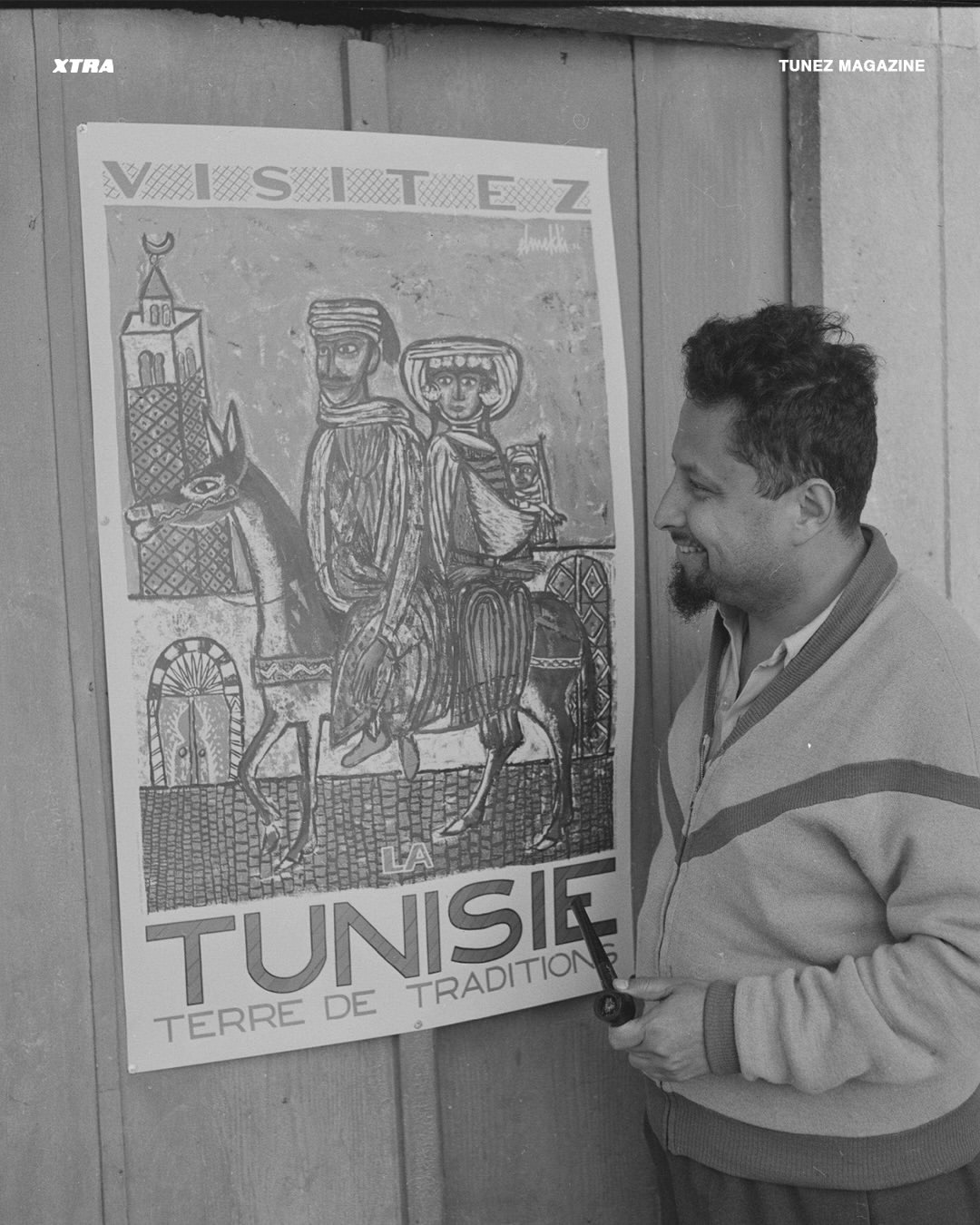
Hatem El Mekki beside his Visitez la Tunisie tourism poster
Visitez la Tunisie
Tunisian 20 millimes postage stamp designed by El Mekki
Postage design
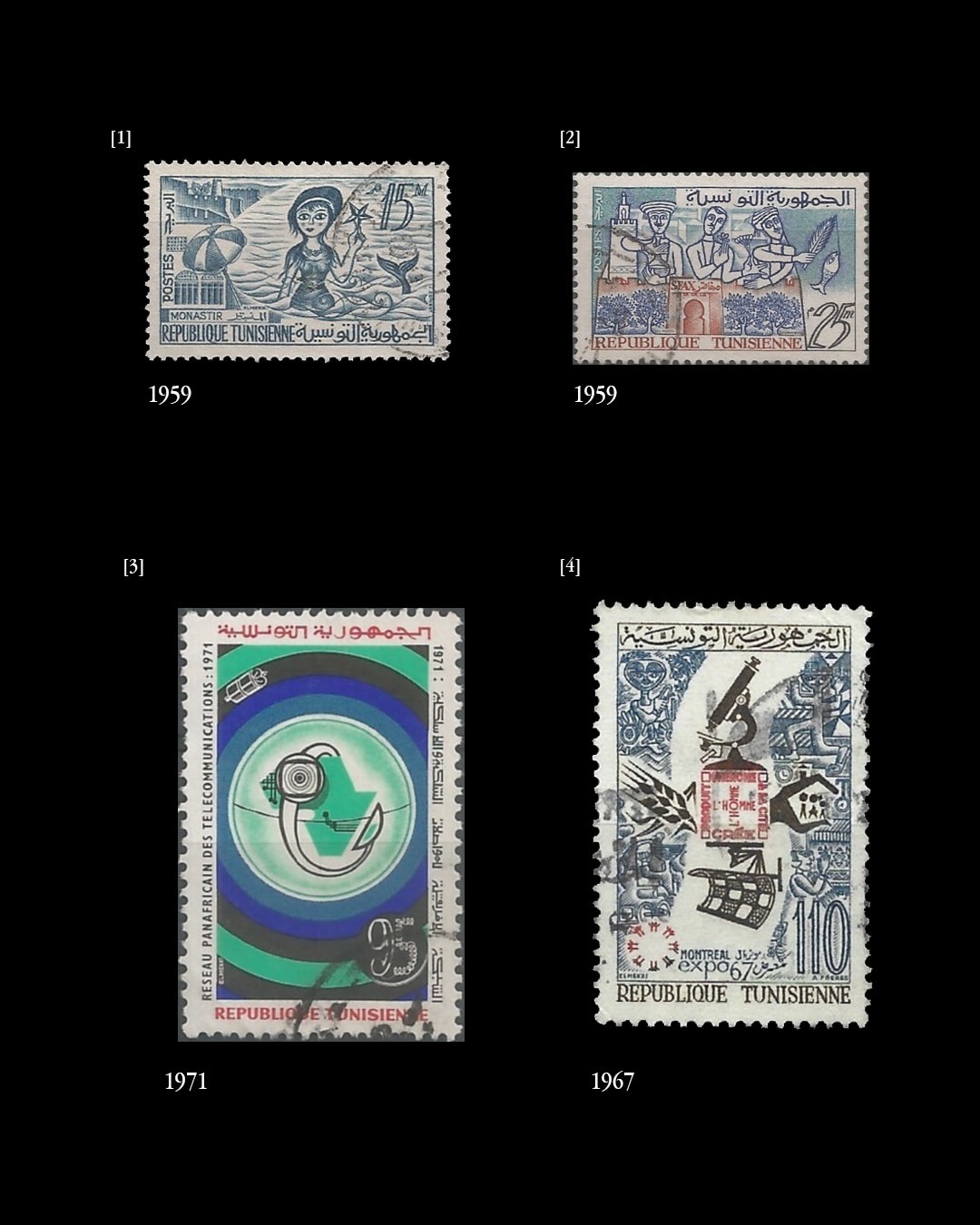
Four Tunisian stamps designed by El Mekki dated 1959 to 1971
1959 to 1971
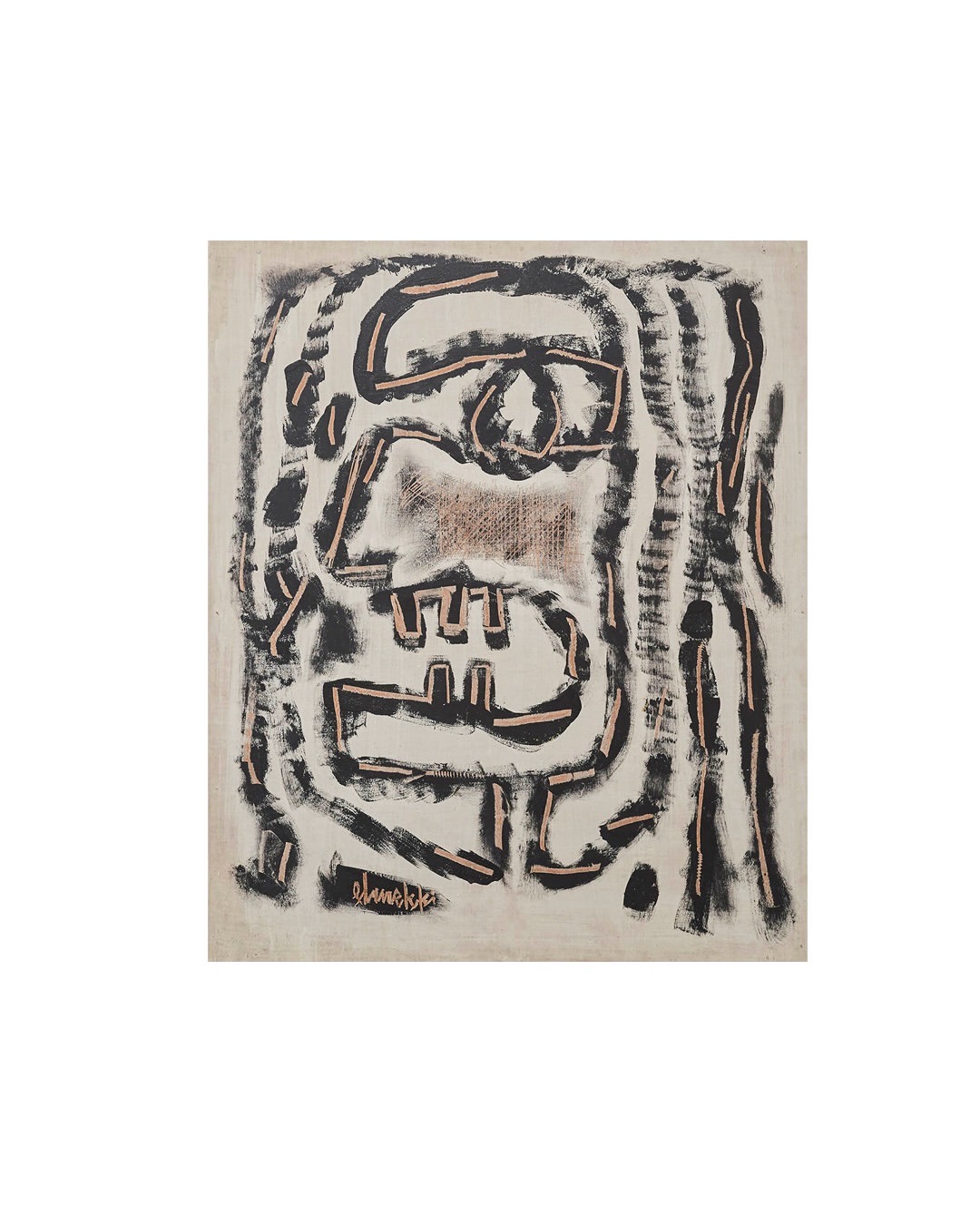
Abstract painting by Hatem El Mekki in black and ochre
Painting
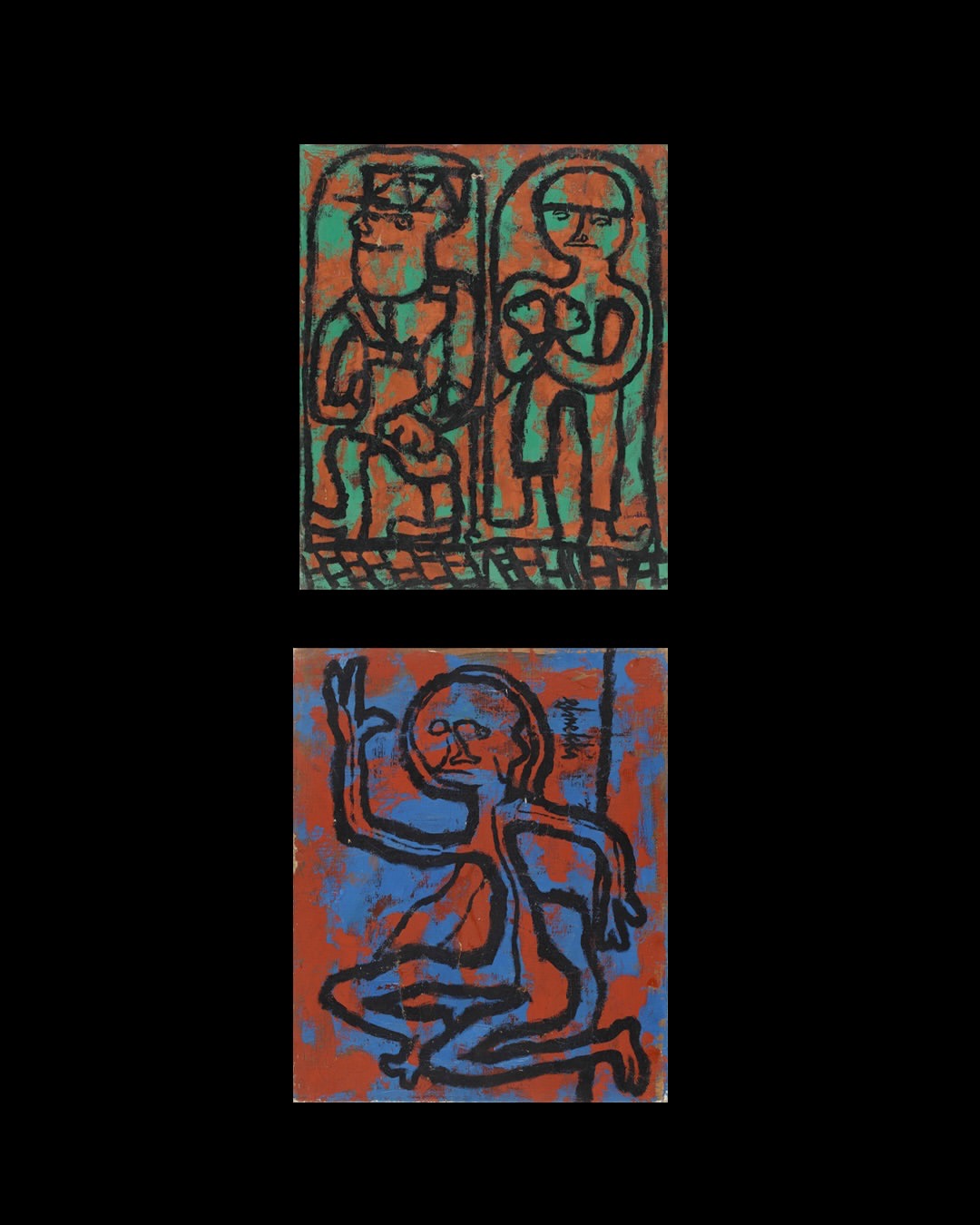
Two figurative paintings by Hatem El Mekki in green, orange and blue
Figures
Project 0303 plates

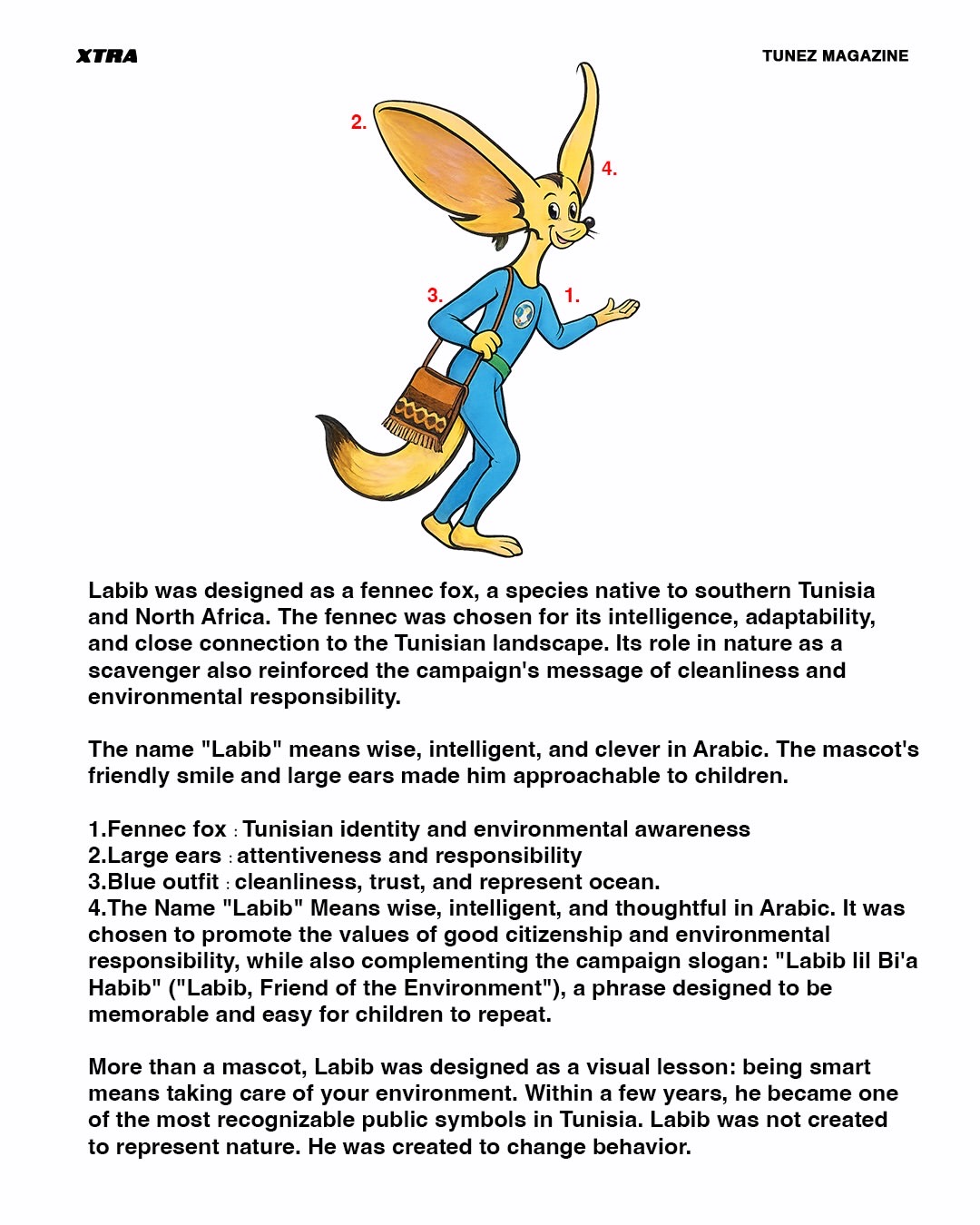
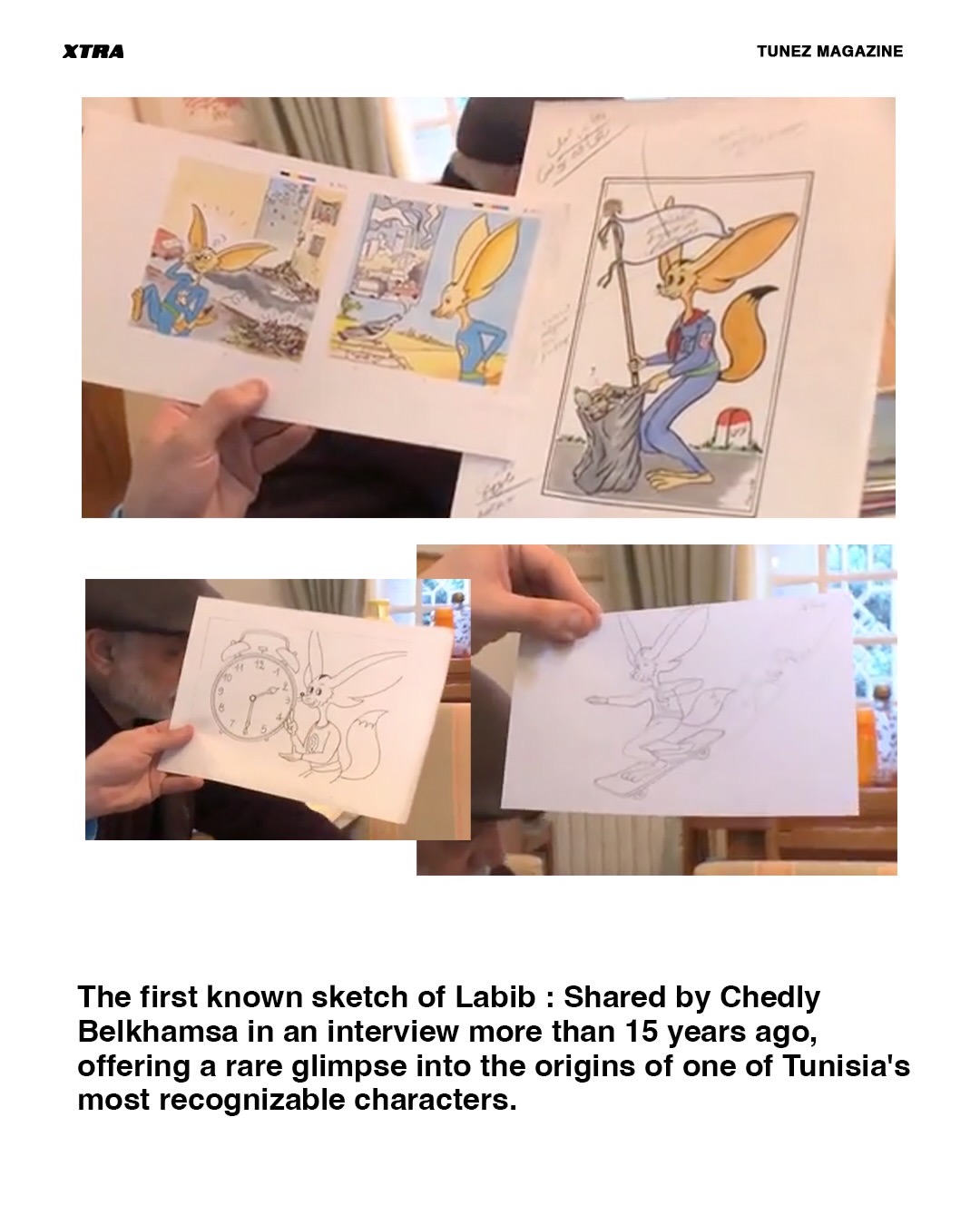
Labib

A mascot built to change behaviour

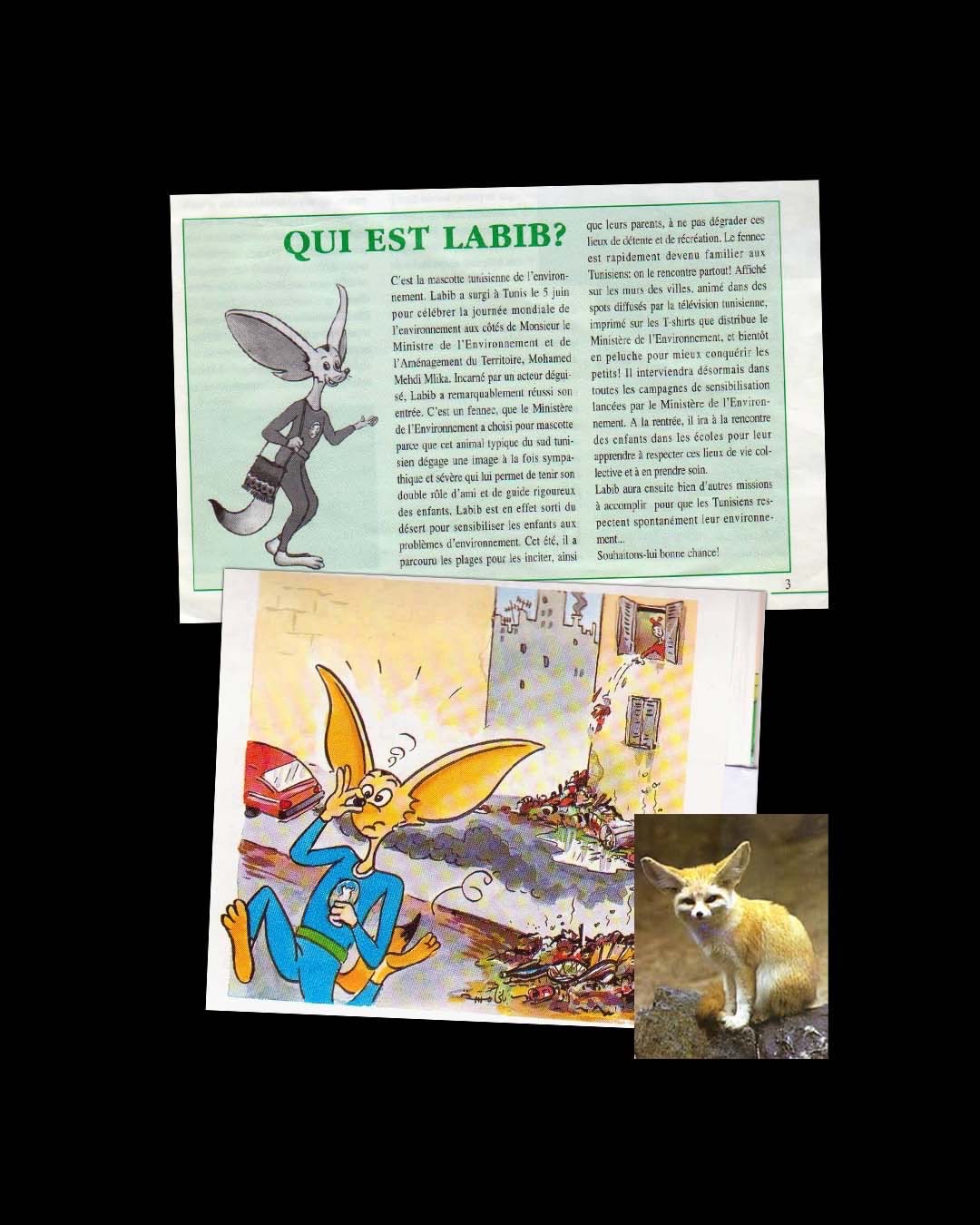
Tunisia's environmental mascot, read as a design object: a fennec fox from the south, turned into a national visual lesson.

Press clipping titled Qui est Labib with the fennec mascot illustration
01 / 03

Press clipping · Who is Labib

Annotated breakdown of the Labib mascot design
02 / 03

Design notes · Fennec, ears, blue suit, name

First known sketches of Labib shared by Chedly Belkhamsa
03 / 03

First known sketches · Chedly Belkhamsa

Project 0405 plates

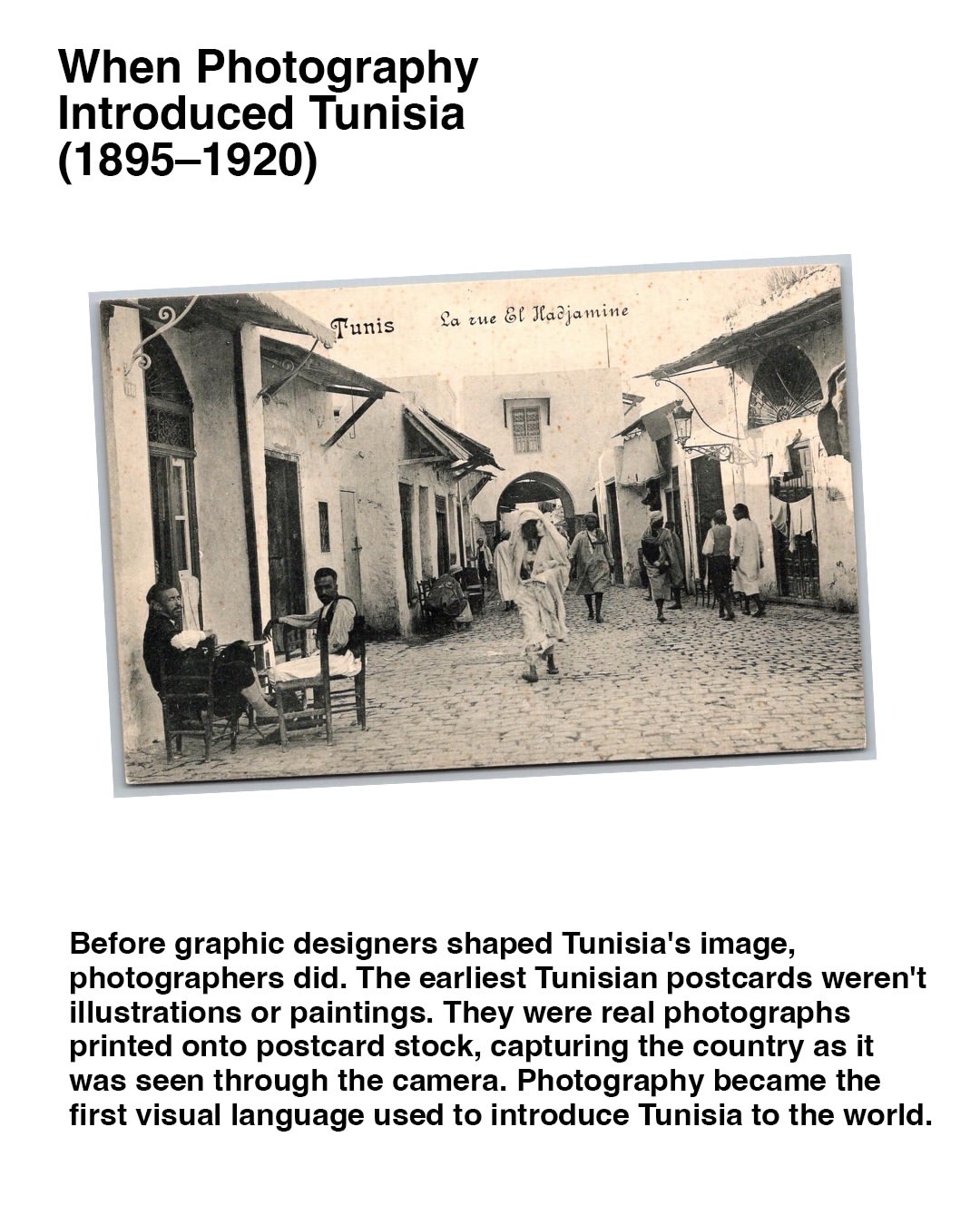
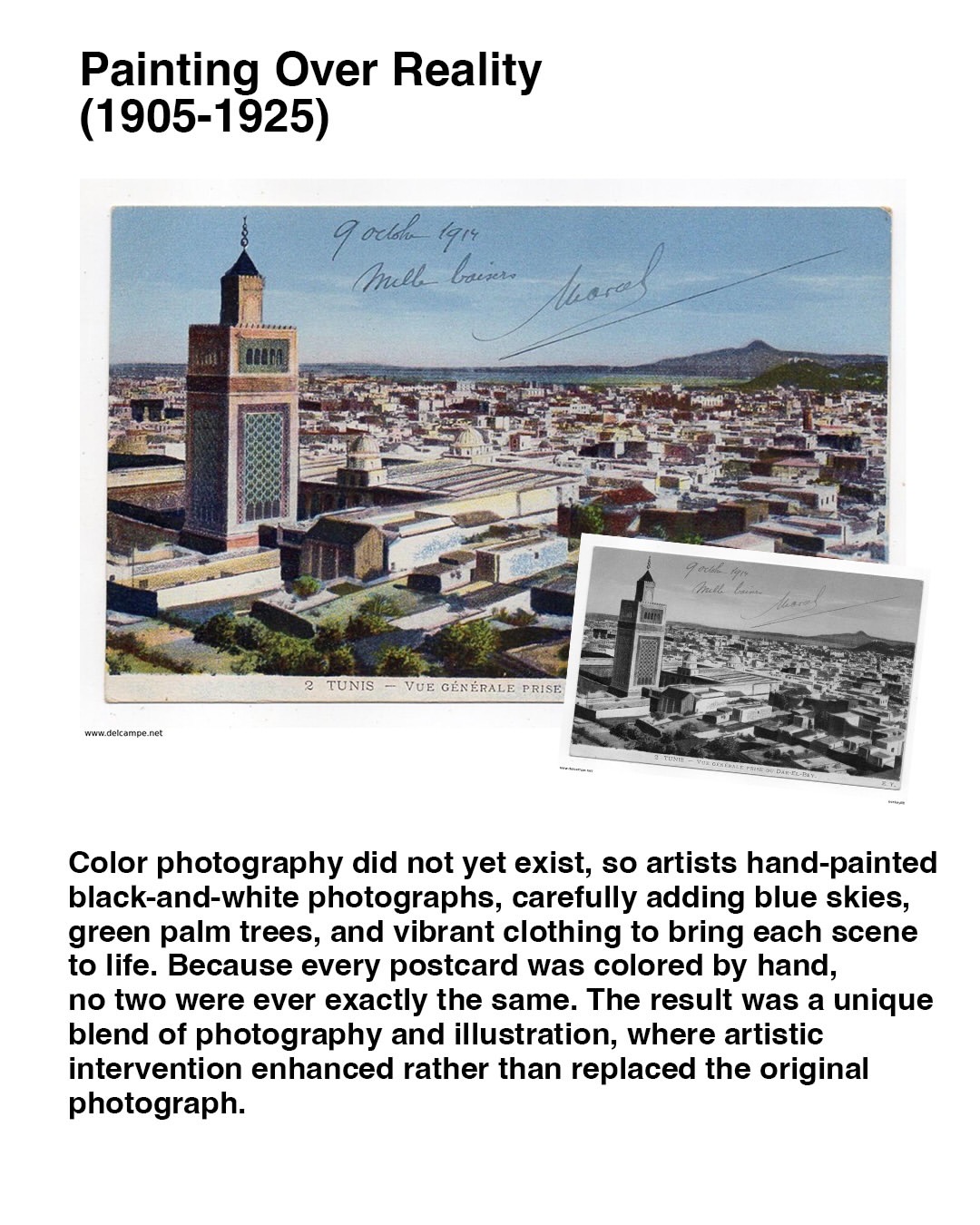
The Postcard

How Tunisia was pictured for the world

From real photographs printed on card stock to hand-painted skies, Art Deco travel posters, and finally the screen.

Early Tunisian photographic postcard of a street in Tunis
01 / 04

1895 to 1920 · Photography introduces Tunisia

Hand-painted postcard of Tunis next to its black and white original
02 / 04

1905 to 1925 · Painting over reality

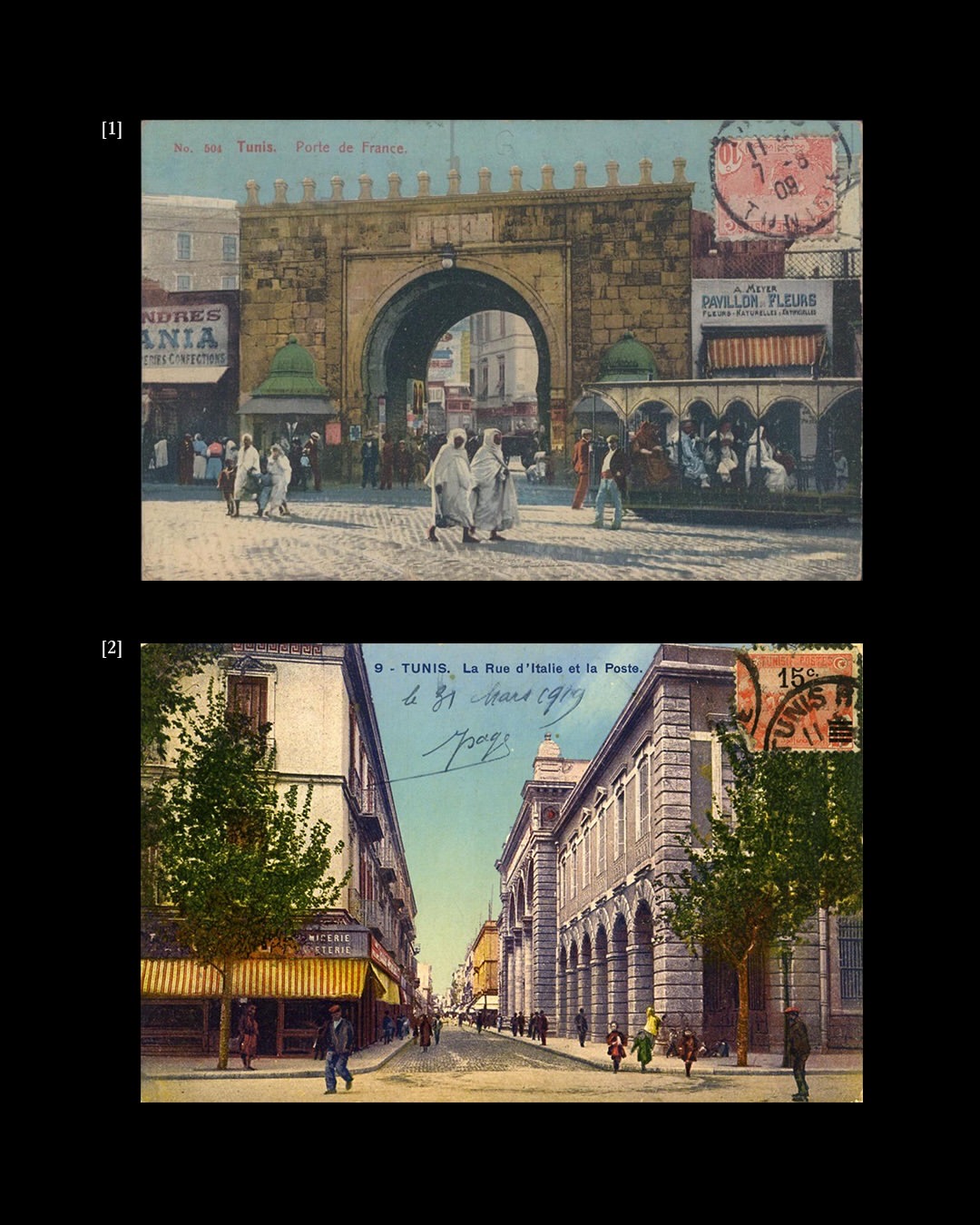
Two colour postcards of Porte de France and Rue d'Italie in Tunis
03 / 04

Plates 1 and 2 · Colour by hand, never twice alike

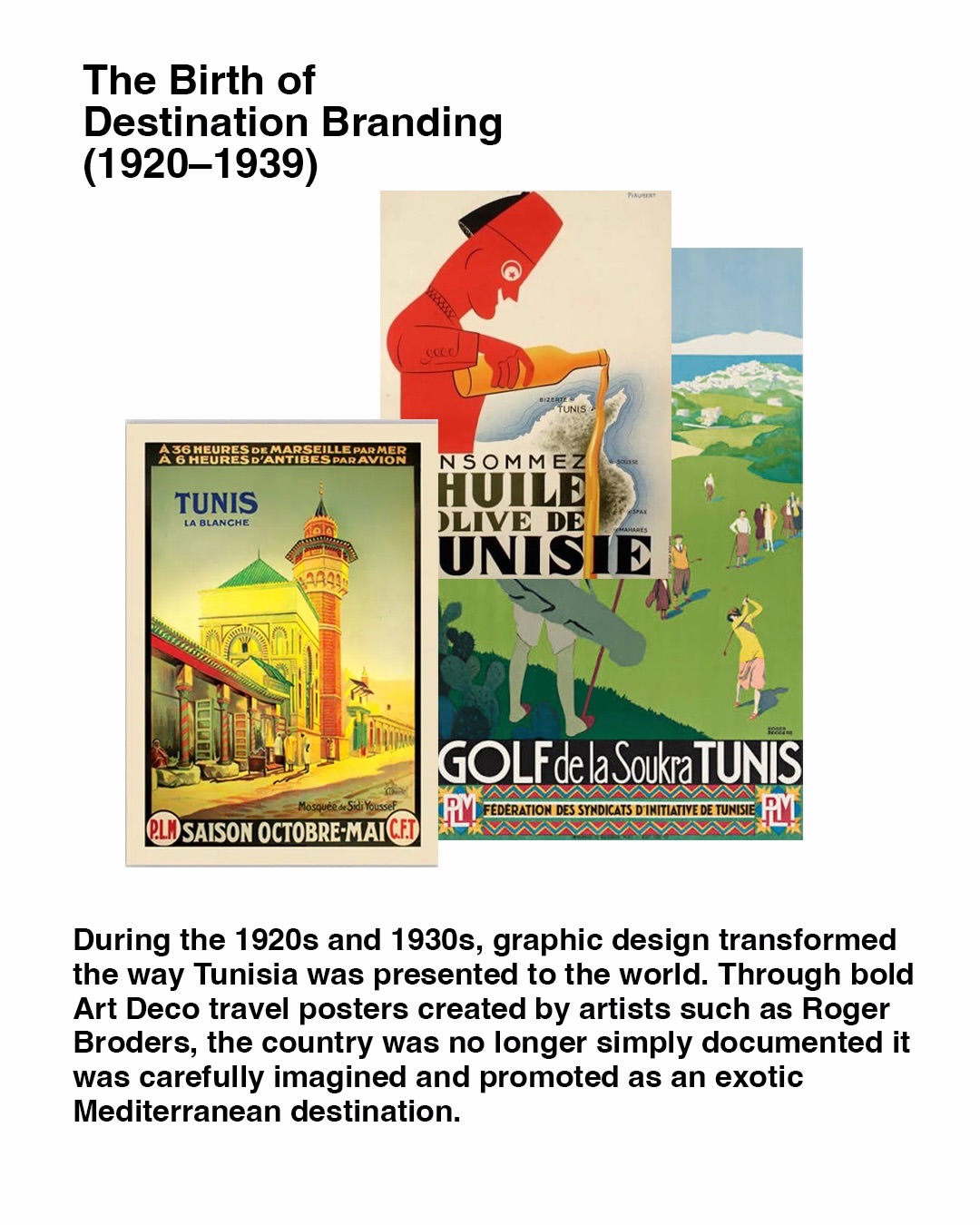
Art Deco Tunisian travel posters from the 1920s and 1930s
04 / 04

1920 to 1939 · The birth of destination branding

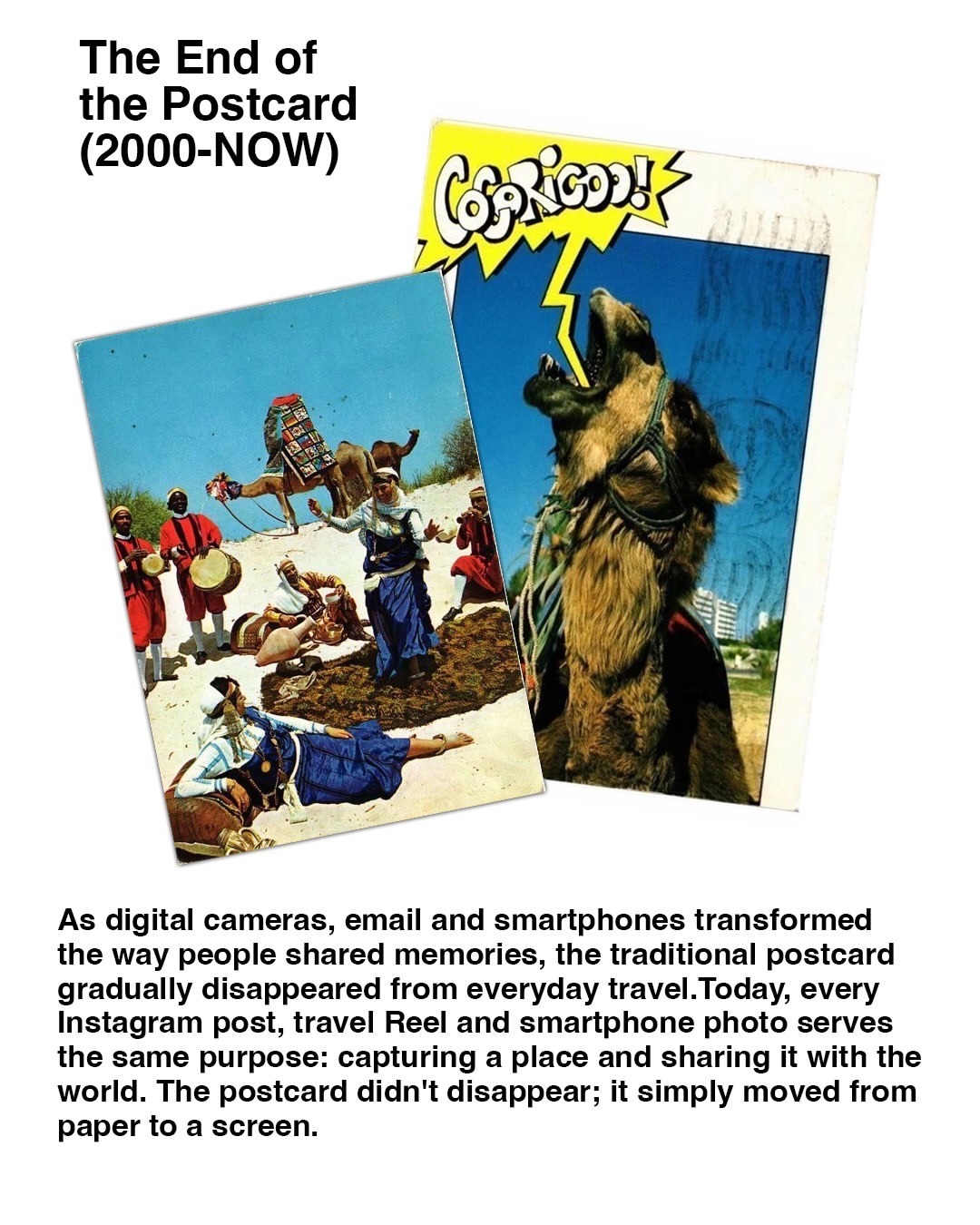
Late twentieth century tourist postcards from Tunisia
05 / 04

2000 to now · The postcard moves to a screen

Project 0502 plates

Carthage

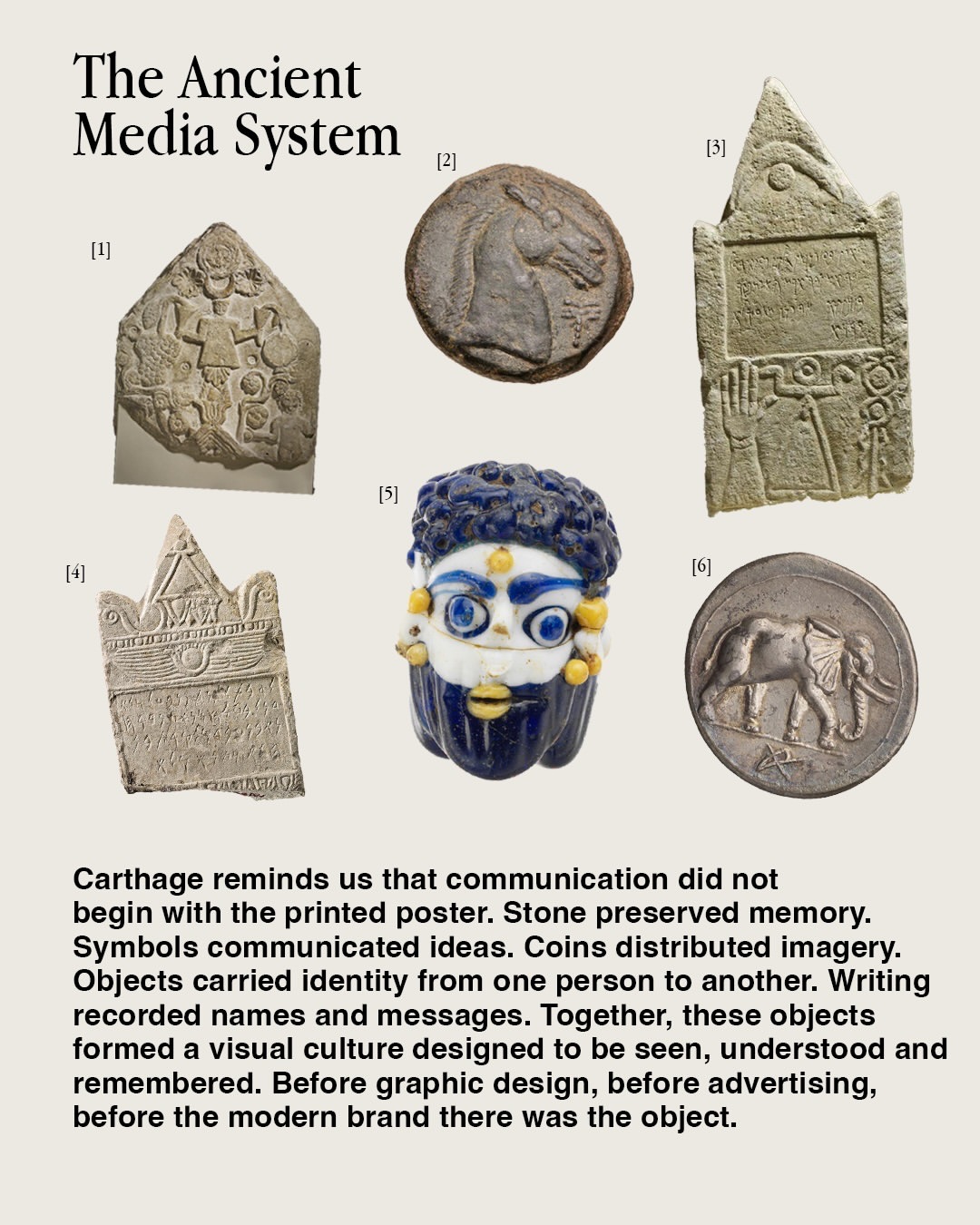
The ancient media system

Before graphic design, before advertising, before the brand: stone, symbol, coin and object carried identity from hand to hand.

Carthaginian stelae, coins, mask and objects arranged as a grid
01 / 05

Stone, symbol, coin, object · A visual culture

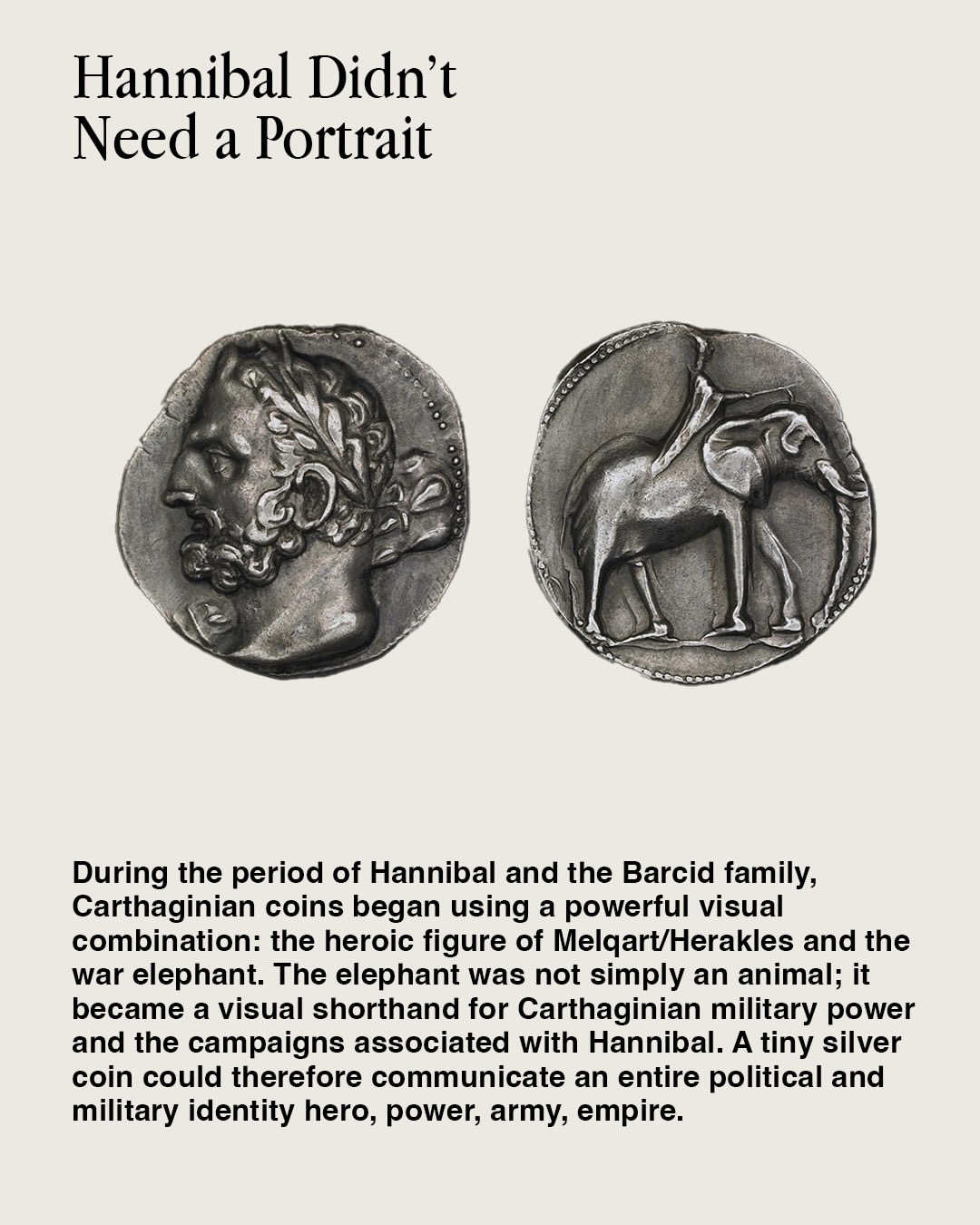
Silver Carthaginian coin with Melqart and a war elephant
02 / 05

Hannibal did not need a portrait · Hero and elephant

Two practices, one memory

Nyzar Trabelsi

Contemporary visual language

The work of Nyzar Trabelsi demonstrates how cultural references can be transformed into contemporary visual language.

Hedy Ben Hmida

Filmmaking · Independent cultural media

The work of Hedy Ben Hmida demonstrates how filmmaking and independent cultural media can document and circulate stories about Tunisia.

Together, Nyzar Trabelsi and Hedy Ben Hmida represent a broader generation of Tunisian creatives working outside traditional institutional boundaries.

Next participation